
Lights, Camera, Iran
The Winners and Losers of a Prepackaged War

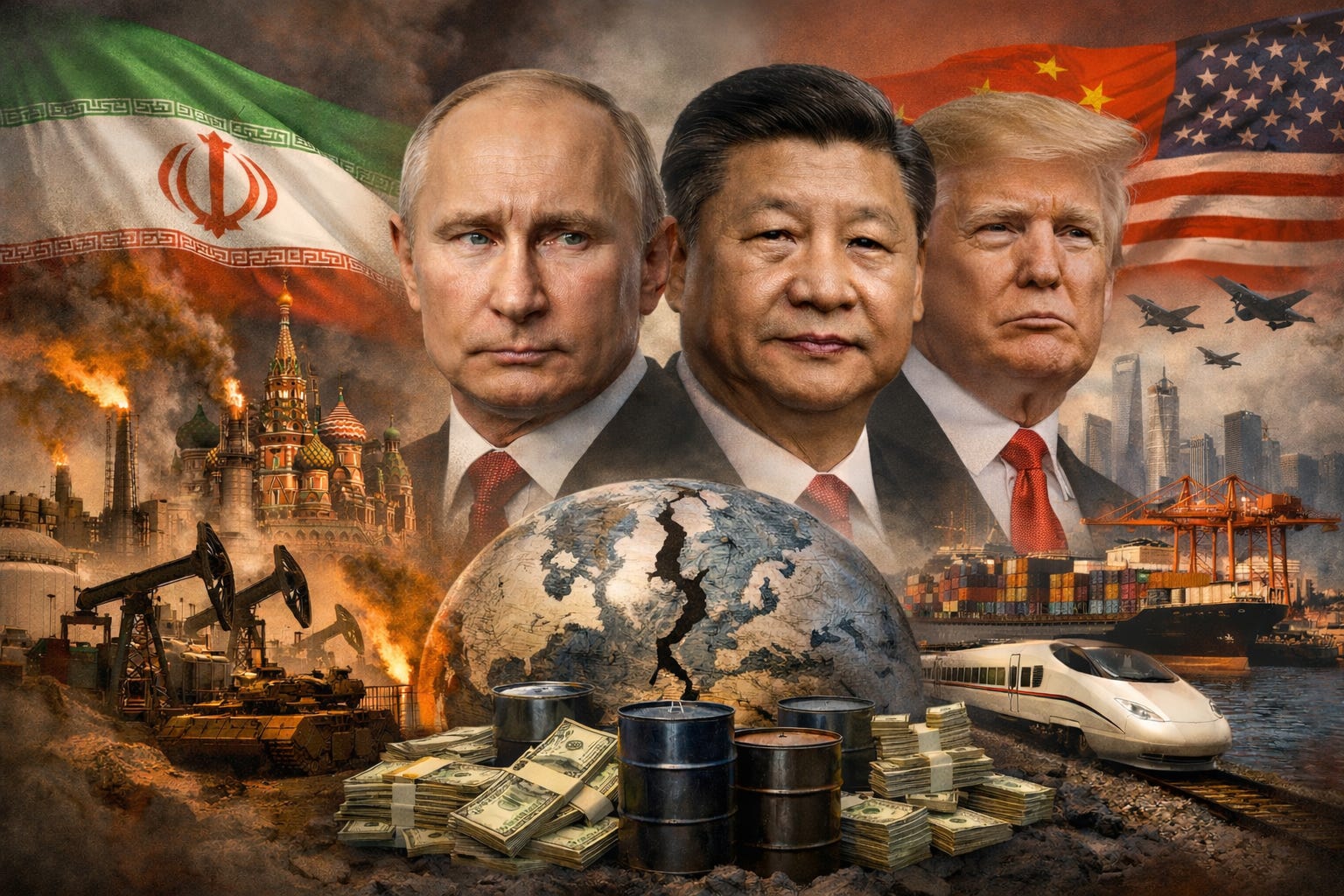
Wars have always depended on two things: an enemy and an audience. The Iran situation has both in abundance and very little else that withstands serious scrutiny.
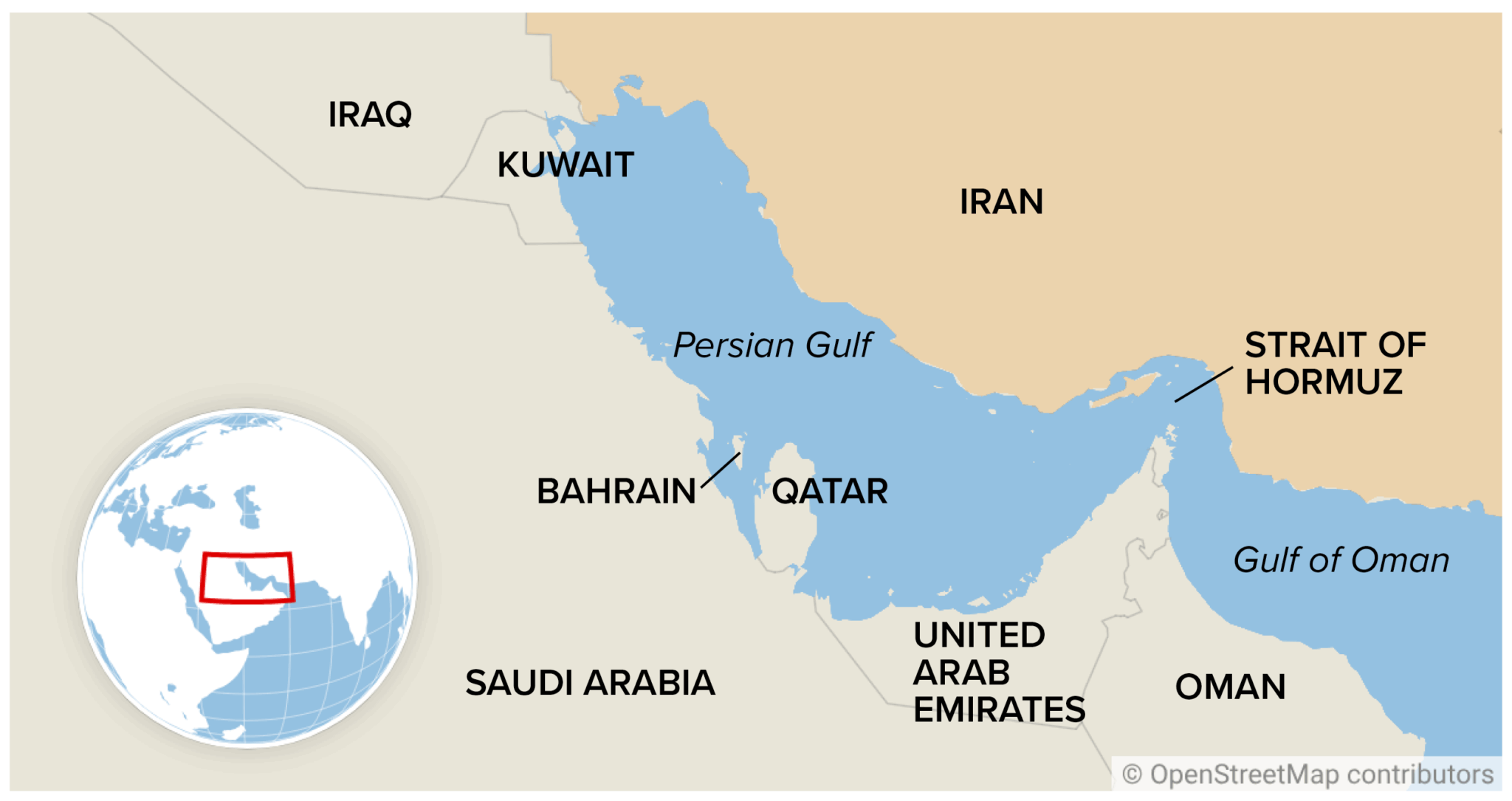
On February 28, 2026, U.S. and Israeli forces launched Operation Epic Fury — coordinated strikes on Iran’s nuclear sites, military infrastructure, and senior IRGC leadership, culminating in the death of Supreme Leader Ali Khamenei. Within days, it was suggested that Iran had effectively closed the Strait of Hormuz — not through a formal naval blockade, but through drone strikes and radio warnings severe enough that insurers stopped covering the passage and commercial transits collapsed from 120 vessels per day to 26.
Global energy markets lurched.
21,000 flights were cancelled.
Defence stocks posted their best week in years…
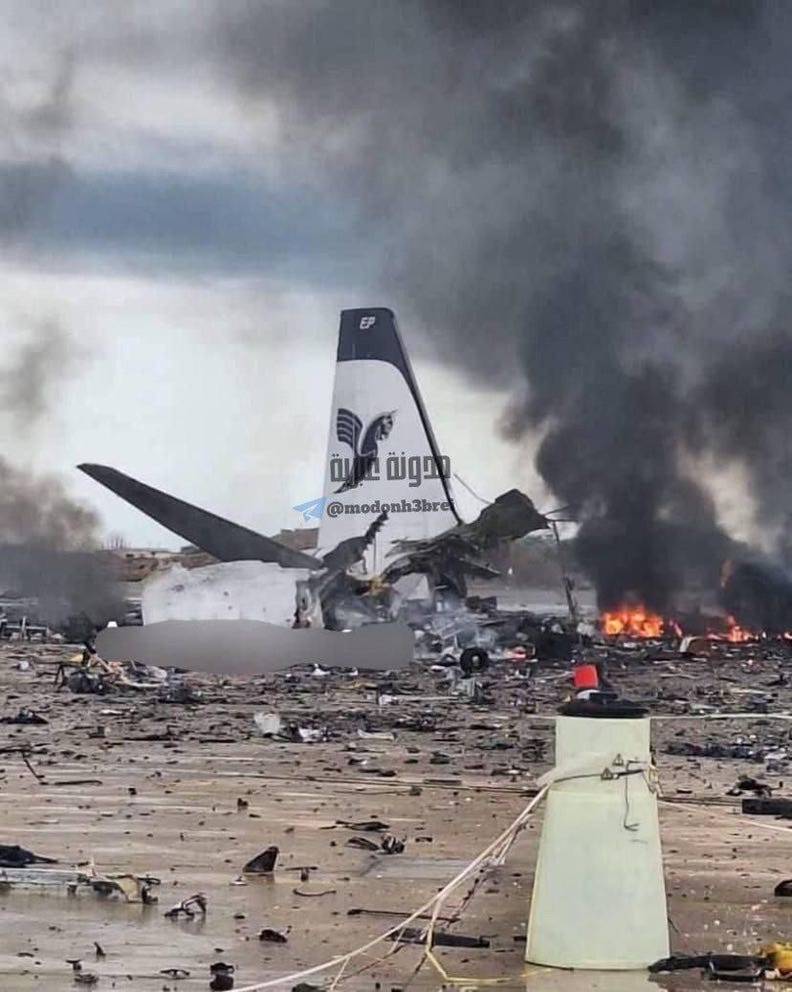
Yet…
Nobody thought this was weird?
Seriously. Nobody?


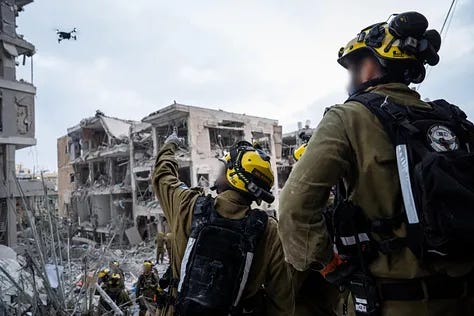
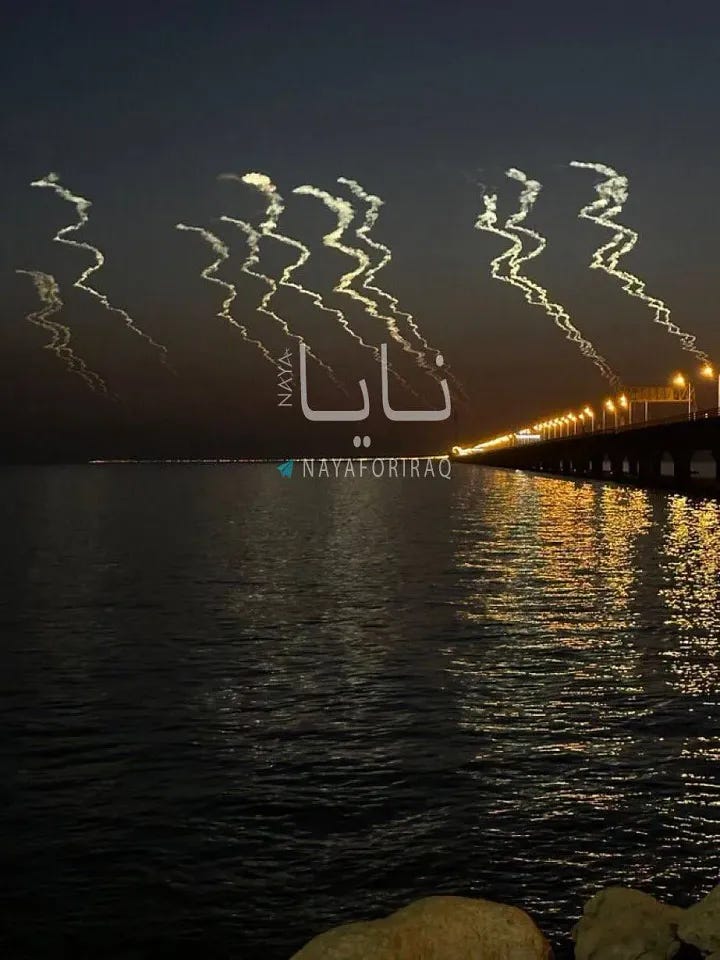
The footage looked like a Star Wars movie. I mean that literally. There were explosions everywhere, and like, lasers…and you are sitting there watching it thinking — what the shit?…Something is off here. Because it did not look like a war.
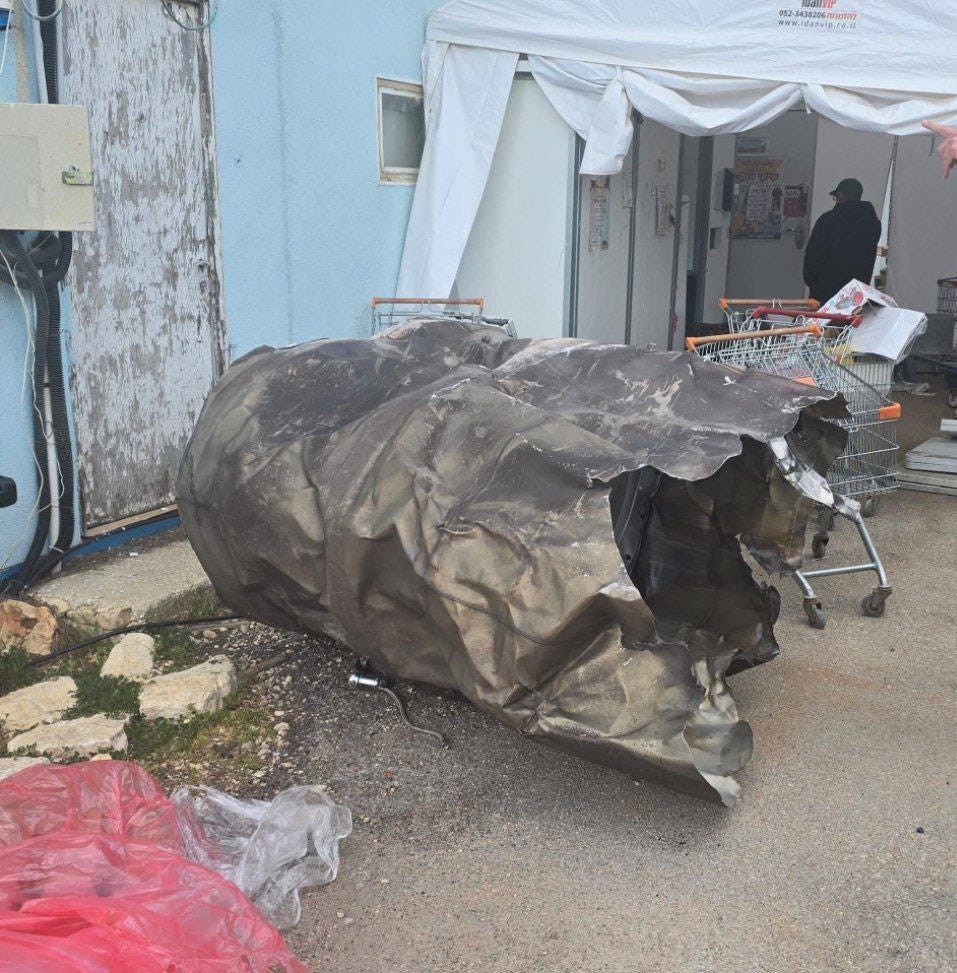
It looked like someone had a very generous effects budget and absolutely zero interest in making it look real.
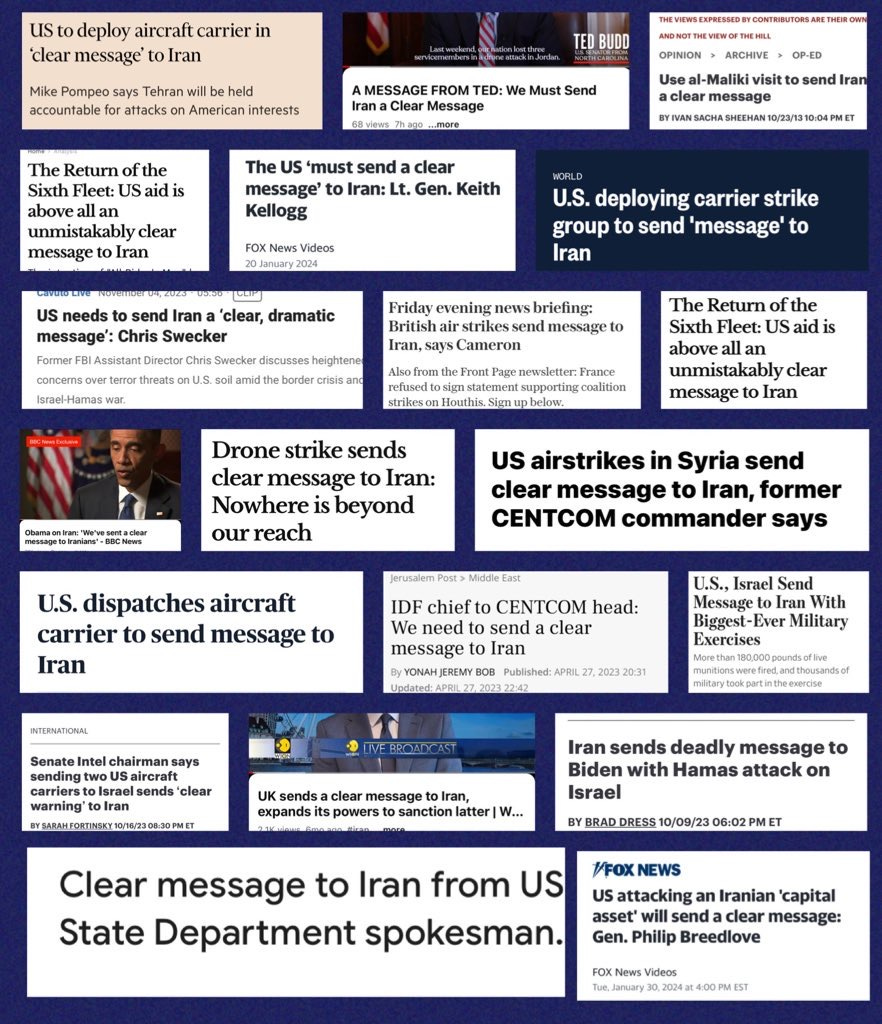
And then the messaging. Immediately after, the biggest accounts on every platform were all saying the same thing. Word for word, like someone had sent out a memo and everyone had done the reading.
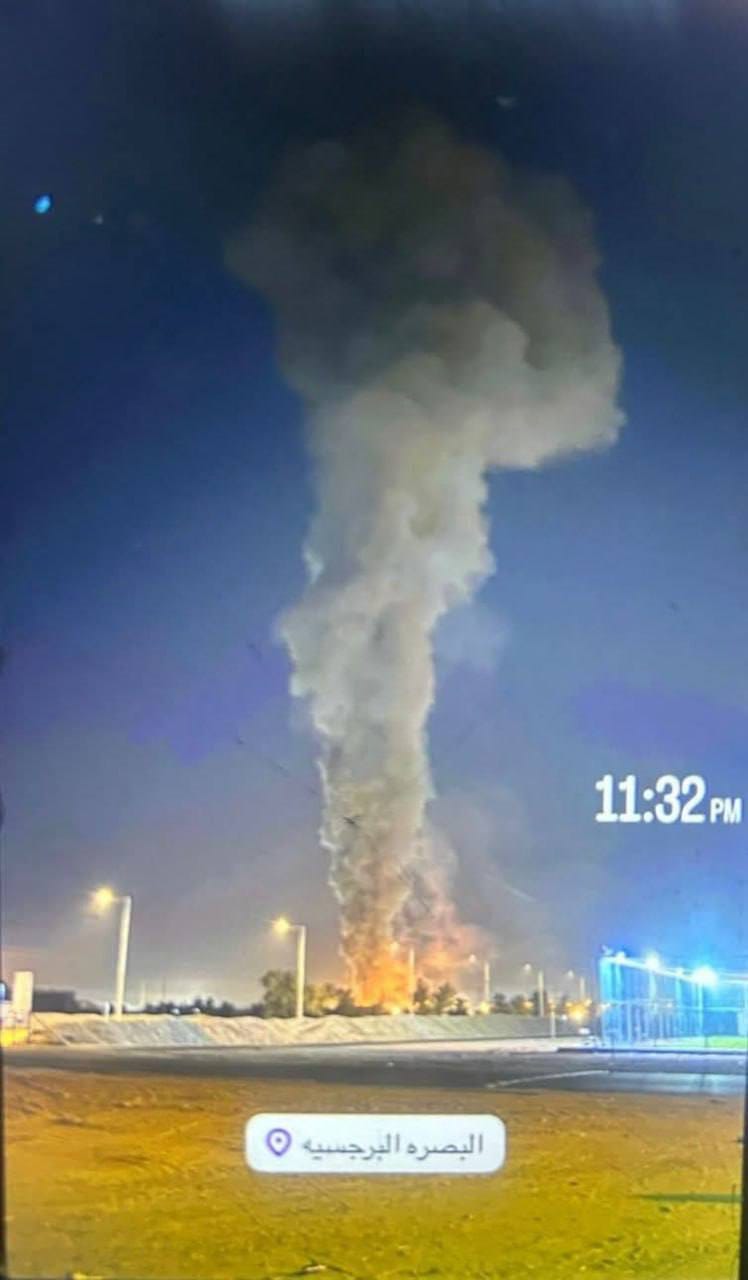
And the actual decision to strike Iran. Nobody seemed to find it strange that the United States just decided one day, with no particular buildup, no real public debate, no coherent explanation offered to anyone, to go in and attack a sovereign nation. Just — we are doing this now. Because reasons.
If you went looking for answers, you got called a conspiracy theorist, which, at this point, is doing a lot of heavy lifting as a conversation-ender.
Wut?
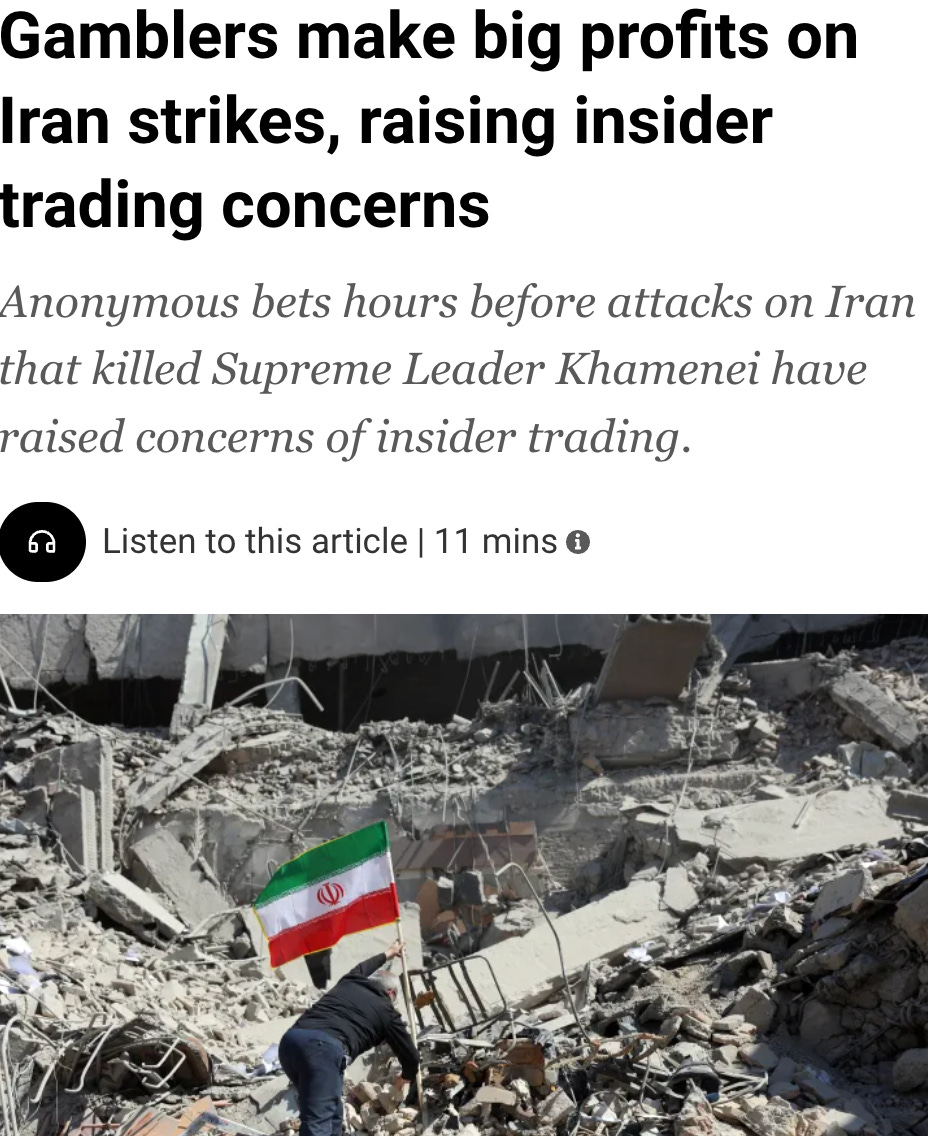
The official narrative frames this as a necessary confrontation between sovereign adversaries, with Iran’s nuclear ambitions finally meeting consequence and its regional aggression finally being checked. But that story sits awkwardly beside everything that was already in place before the missiles ever flew: the DSCA filings, the developer press releases, the compensation frameworks prepared in advance, and the municipal planning documents signed off months earlier. Then ask why a U.S. reconnaissance aircraft called the “Wing of Zion” circled the Israeli coastline for four hours while Iranian missiles struck Haifa and Tel Aviv — then quietly flew west, over Greece. Ask why there are twenty KC-135 Stratotanker refuelling aircraft parked at Ben Gurion Airport before the strikes began. Ask who placed $1.2 million in winning bets on Polymarket on the exact timing of the U.S. attack — six people with what investigators describe as insider information.
Pretext
Start with the money. It never lies.
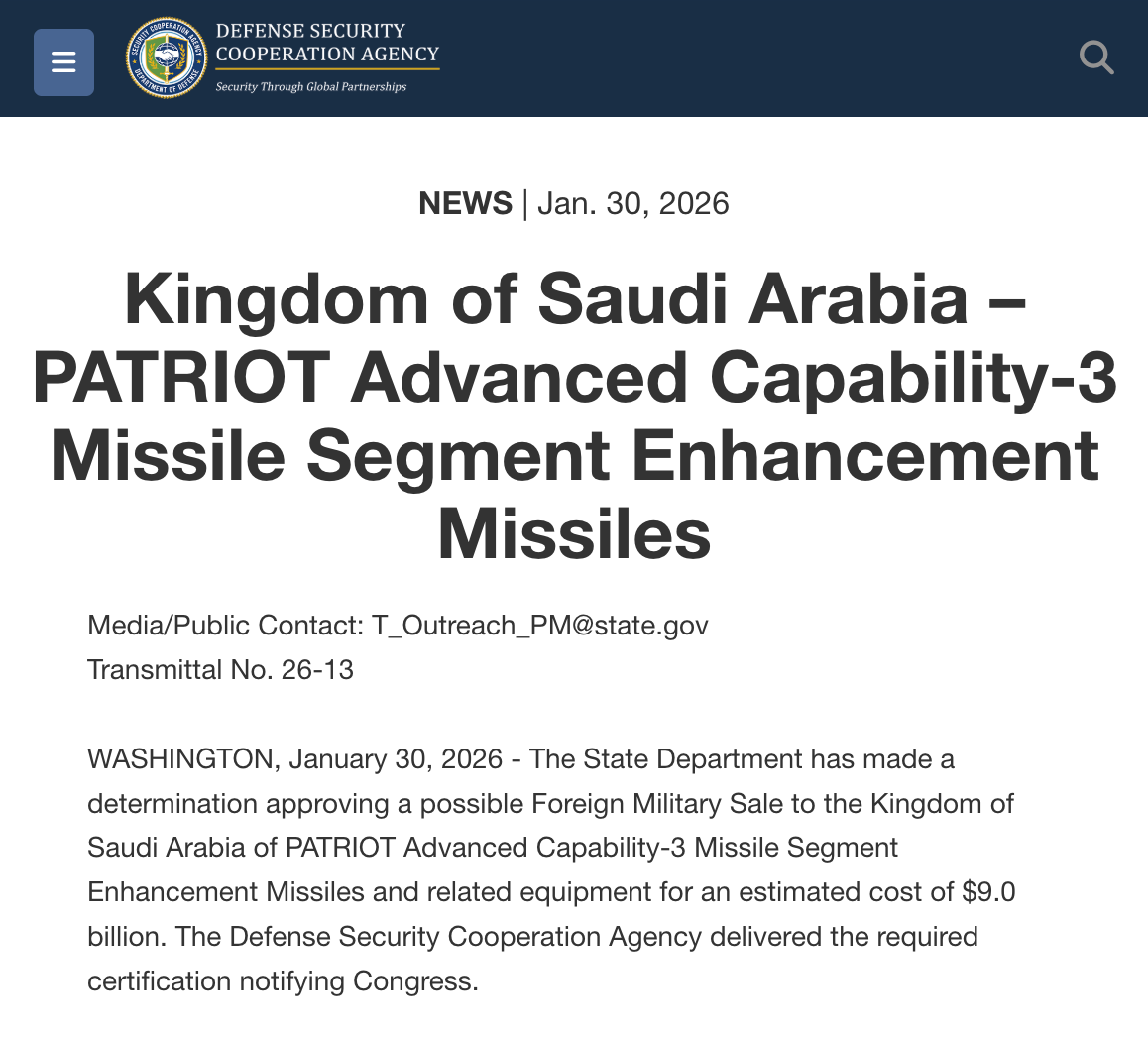
On January 30, 2026 — a full month before the first strike — the U.S. Defense Security Cooperation Agency notified Congress of a possible $9 billion Foreign Military Sale to Saudi Arabia: 730 Patriot PAC-3 MSE interceptor missiles, Lockheed Martin as principal contractor. Kuwait followed days later with an $800 million sustainment package for its existing Patriot systems. DSCA notifications require months of inter-agency preparation. This paperwork was moving long before the shooting started.
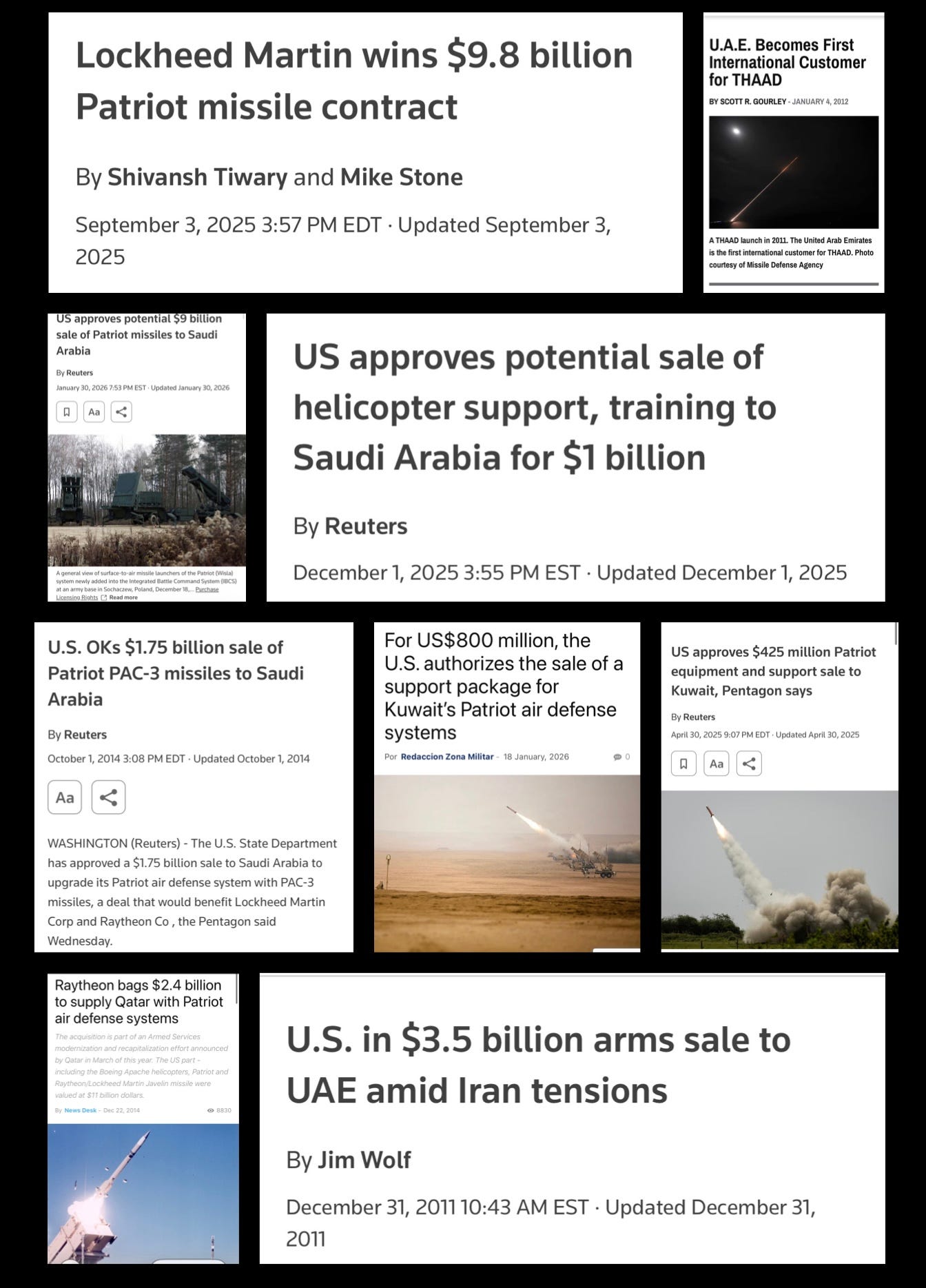
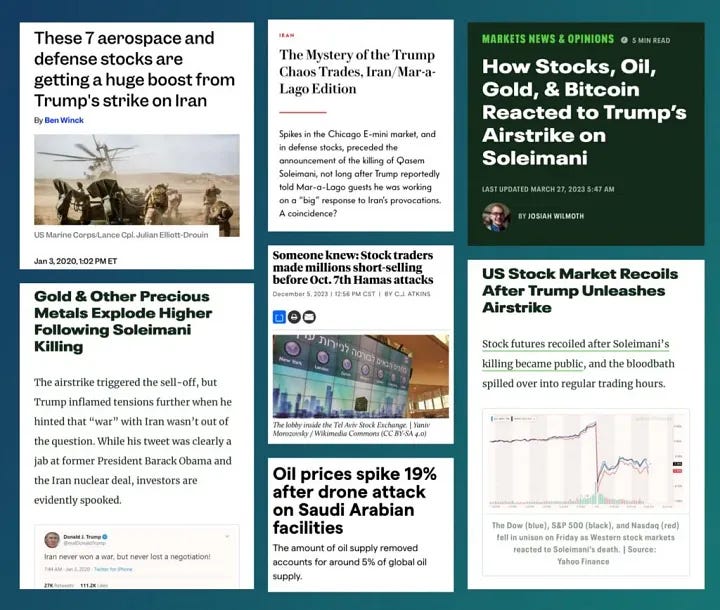
The market confirmed what the contracts implied. RTX surged 6.6% in premarket trading on March 2. Lockheed advanced 6.9%. Northrop Grumman 5.8%. Defence stocks were up 12% on the week. The iShares U.S. Aerospace and Defence ETF had already appreciated 35% since the June 2025 strikes — Lockheed up 40%, Northrop up 46%. Defence contractors spent $191 million lobbying in 2025. The policy environment they purchased delivered returns measured in tens of billions.
Like they knew…
Then on March 4, the Pentagon asked Congress for a $50 billion supplemental on top of the existing $895 billion defence budget. Congressional Democrats and Republicans alike expressed concern over the lack of specifics. The market didn’t wait for answers. NOC up 4.2%. LMT up 3.8%. RTX up 3.5%. GD up 3.1%. The Pentagon had barely filed the paperwork, and the sector was already pricing in the windfall.
The structural logic is pretty simple. They claim each “intercepted” missile depletes a stockpile that must be replenished at premium contract prices. Iran’s Shahed drones cost an estimated $20,000–$50,000 each to manufacture. Patriot interceptors cost $3–6 million per missile….you read that right…It is the product — a 100:1 wealth transfer from public treasuries to defence contractors with every interception. Lockheed and Northrop have already committed to tripling PAC-3 MSE annual production from 600 units to 2,000. A conflict that ends decisively is worth considerably less to these companies than one that doesn’t… even if it’s all theatre. The numbers make that argument without any assistance.
Let’s be serious. Iran has been the United States’ designated adversary in the Middle East for over four decades. In that time, it has never been defeated, never been successfully regime-changed, and never stopped being useful. The Islamic Republic is the justification for the Fifth Fleet’s permanent presence in Bahrain, for decades of arms sales to Saudi Arabia, the UAE, Kuwait, and Israel, for sanctions bureaucracies, and for forward-positioned military assets that generate billions annually in logistics and sustainment contracts. A genuinely destroyed Iran would end all of it. The threat has to persist — credible enough to justify the spending, manageable enough that it never actually resolves.
So weird.
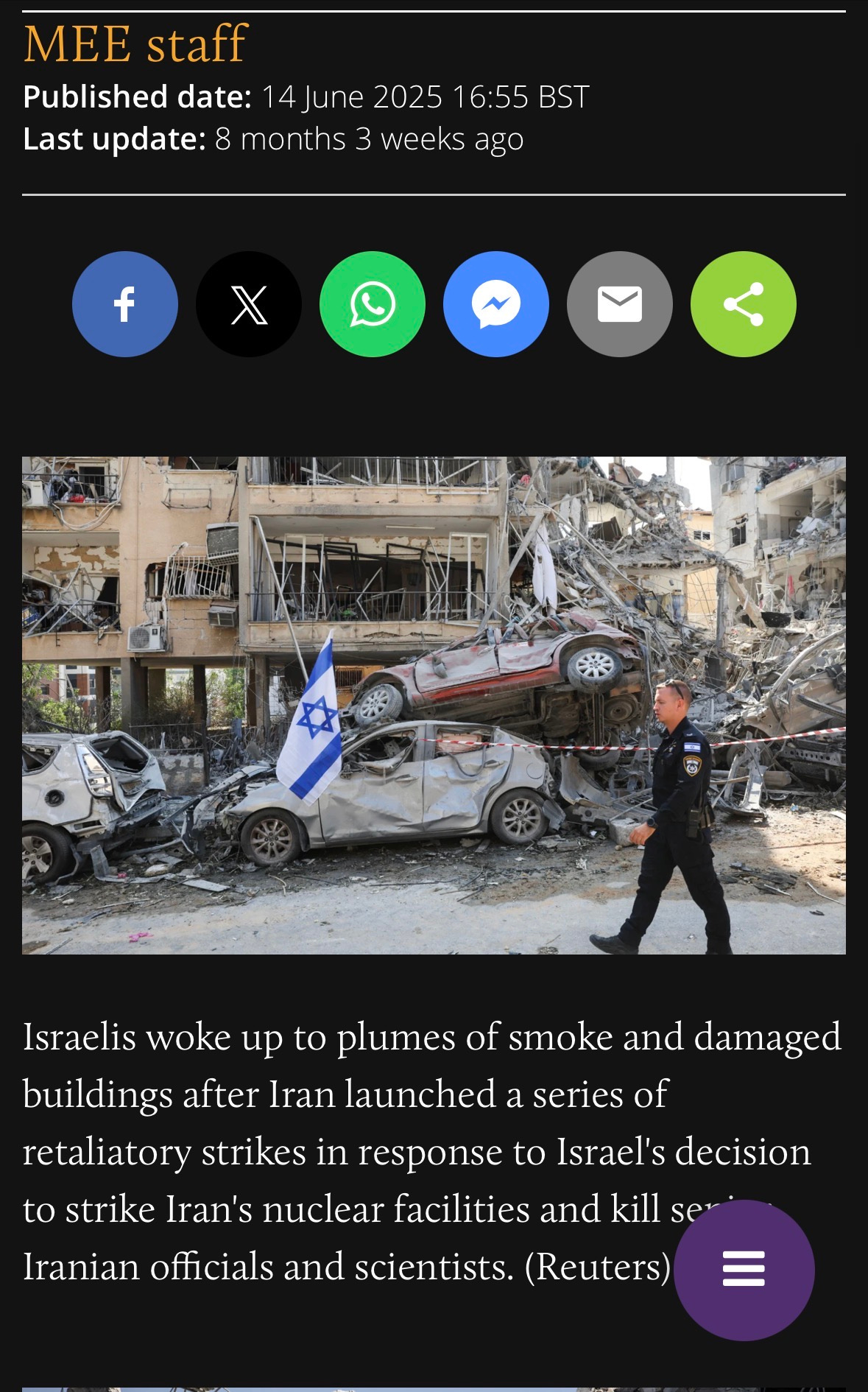
The June 2025 “12-day war” made this explicit. Israel claimed to have decimated Iran’s nuclear and military infrastructure. Nine months later, Iran was launching coordinated barrages across the Gulf. Because that makes sense.
Either the strikes accomplished far less than advertised, or the infrastructure reconstituted with remarkable speed, or — the third possibility, the one nobody in the mainstream press will entertain — the strikes were calibrated precisely to degrade without eliminating, resetting the threat to the level that justifies the next procurement cycle. The Pentagon’s $50 billion supplemental is not a response to a crisis- it’s the crisis functioning exactly as designed.
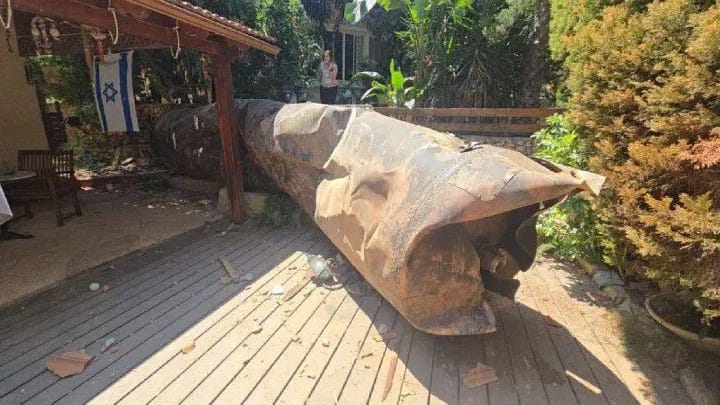
The Zoning Maps
When the June 2025 strike maps are overlaid against municipal planning documents, zoning overlays, and urban renewal filings — a central focus of my article “Ballistics and Blueprints” — a pattern emerges that strains coincidence: the neighbourhoods struck by Iranian missiles were, in substantial numbers, already scheduled for demolition. The same pattern repeats across the Gulf strikes of March 2026.
Israel’s urban renewal programs — TAMA 38 and Pinui-Binui — exist to clear aging housing stock and replace it with high-density development. For years, these programs had stalled. Community resistance, legal challenges, and permitting gridlock blocked projects across Tel Aviv, Ramat Gan, Haifa, and Kiryat Bialik. Then the missiles arrived in June 2025, and the gridlock dissolved. With fresh strikes in March 2026, the same mechanism was pulled twice on the same population.
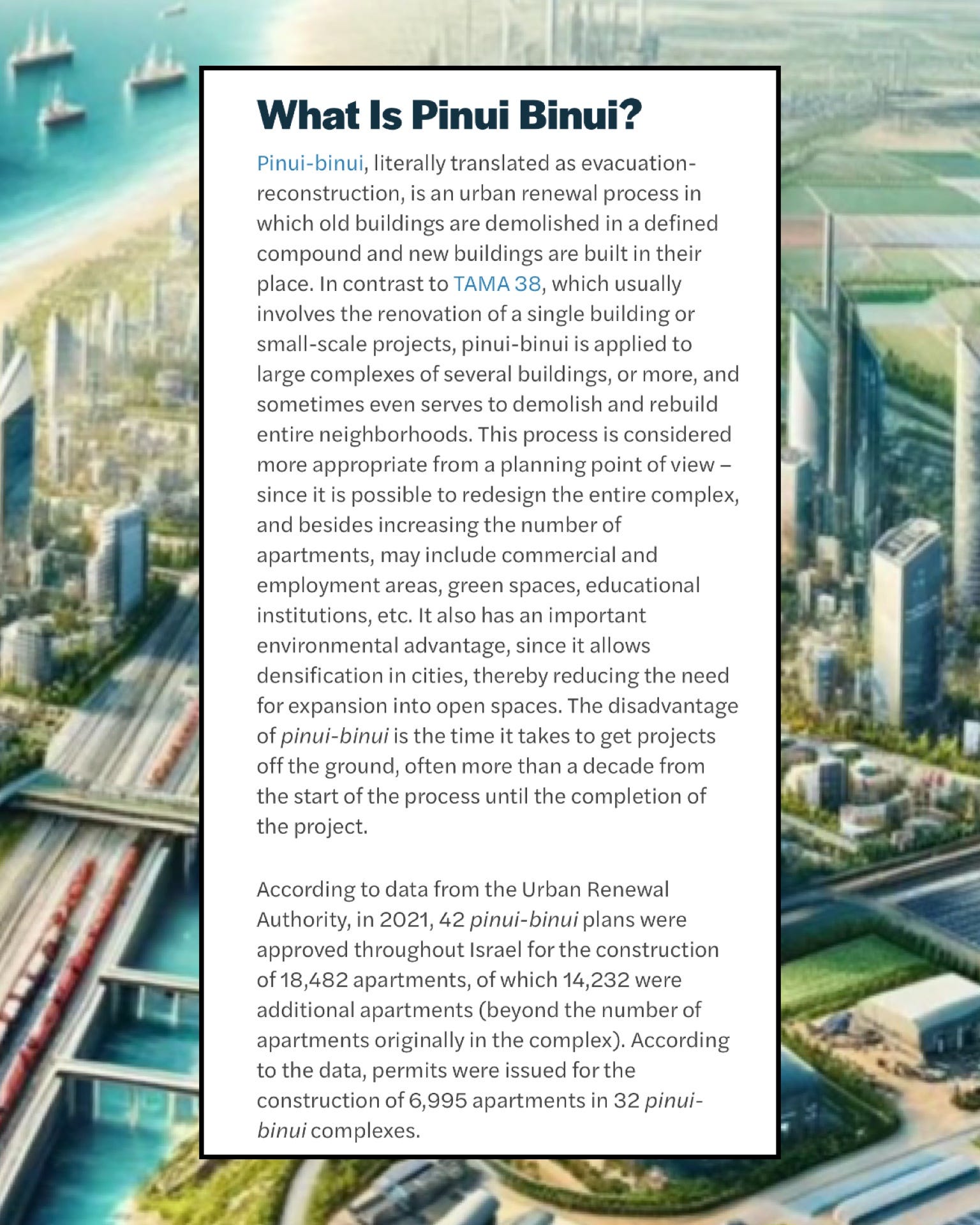
In Ramat Gan, strikes hit a residential compound on Tirzah Street and Yerushalayim Boulevard — approximately 15 buildings, 125 apartments, all already in active urban renewal processes with developers. Three were destroyed outright. Four more were demolished by municipal authorities, citing safety. The post-strike plan: a 35-story tower on one site, a 38-to-40-story tower on another. In Bat Yam, impact zones traced the municipal renewal blueprints along the M3 metro corridor almost exactly — the same corridors where working-class resistance had blocked approved demolitions for years. The Haifa refinery strike solved a decade-long political impasse in a single evening: closure of the Bazan facility for waterfront redevelopment had been proposed for years. Planning processes couldn’t move it. A missile could.
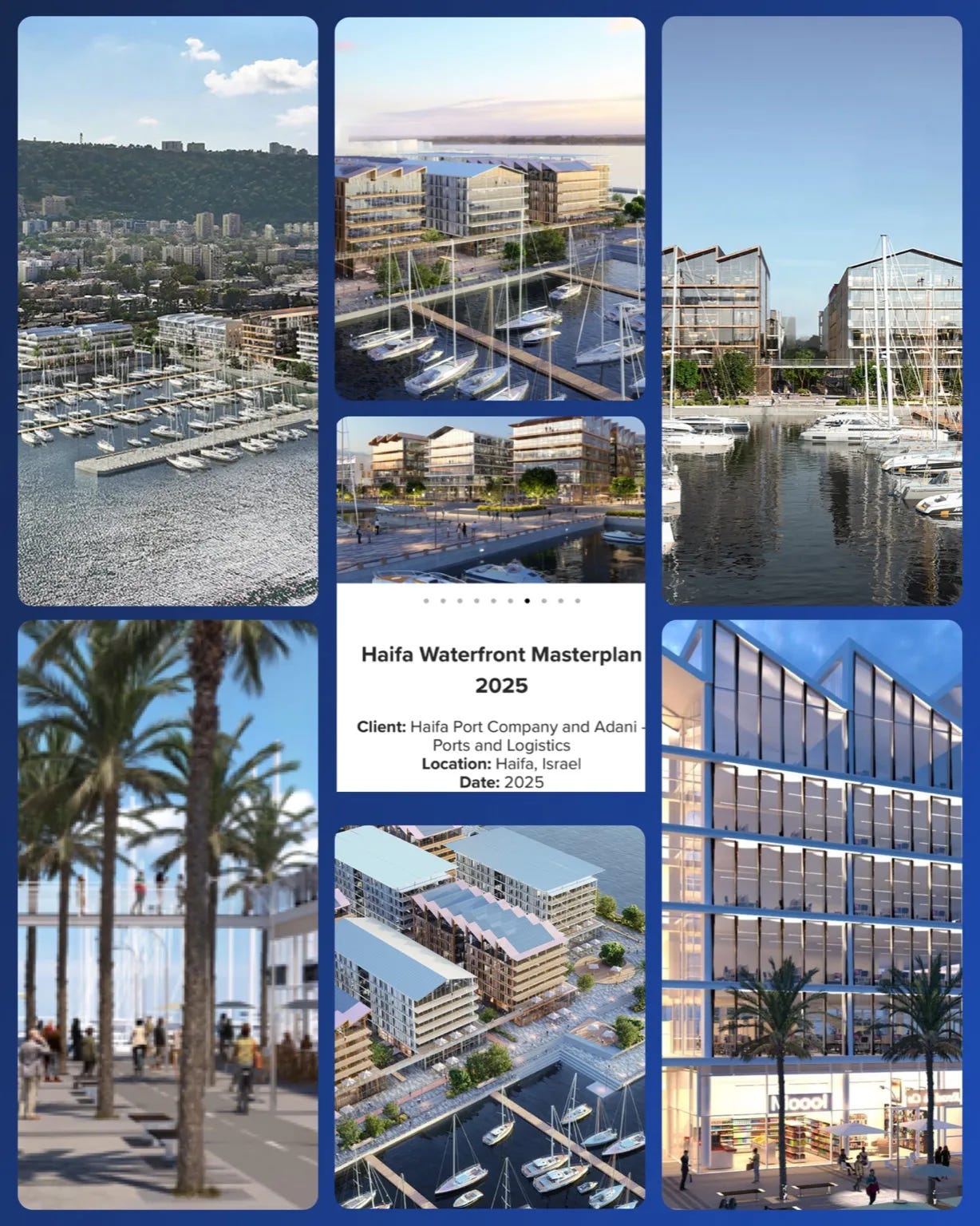
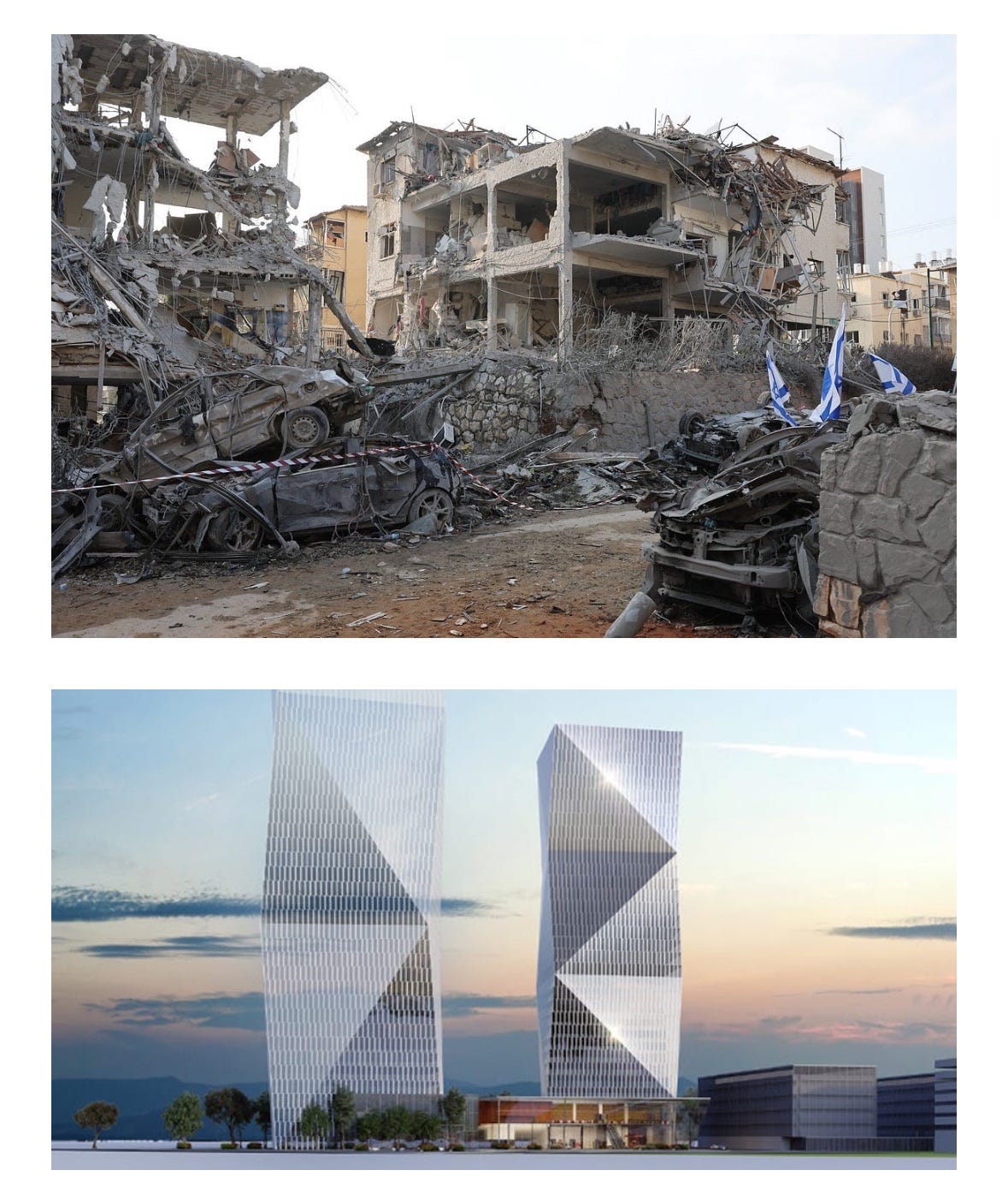
The legal scaffolding was pre-built. Months before the June 2025 strikes, Tel Aviv authorities revised urban renewal laws to allow developers to rebuild conflict-damaged structures with expanded building rights, bypassing standard zoning restrictions — provisions enacted before any strikes occurred. The post-war “Law for the Rehabilitation of War Damage through Urban Renewal” fast-tracked rebuilding further, eliminating district planning committee approval entirely. The compensation framework — full rebuild costs via the Property Tax Fund, daily stipends, diaspora grants of $5,000–$20,000 from U.S. NGOs, business relief packages — appeared pre-drafted, ready to deploy on day one.


The most unguarded moment came from an Oron Real Estate VP quoted in Globes. His company had been days away from issuing evacuation notices on a Ramat Gan building when the strike cleared it. No relocation process or delays. Forty-eight units would become 127. He described it as a validation of urban renewal’s importance.
Not a word of grief — just logistical relief and a greenlight to build higher.
Seems Normal.
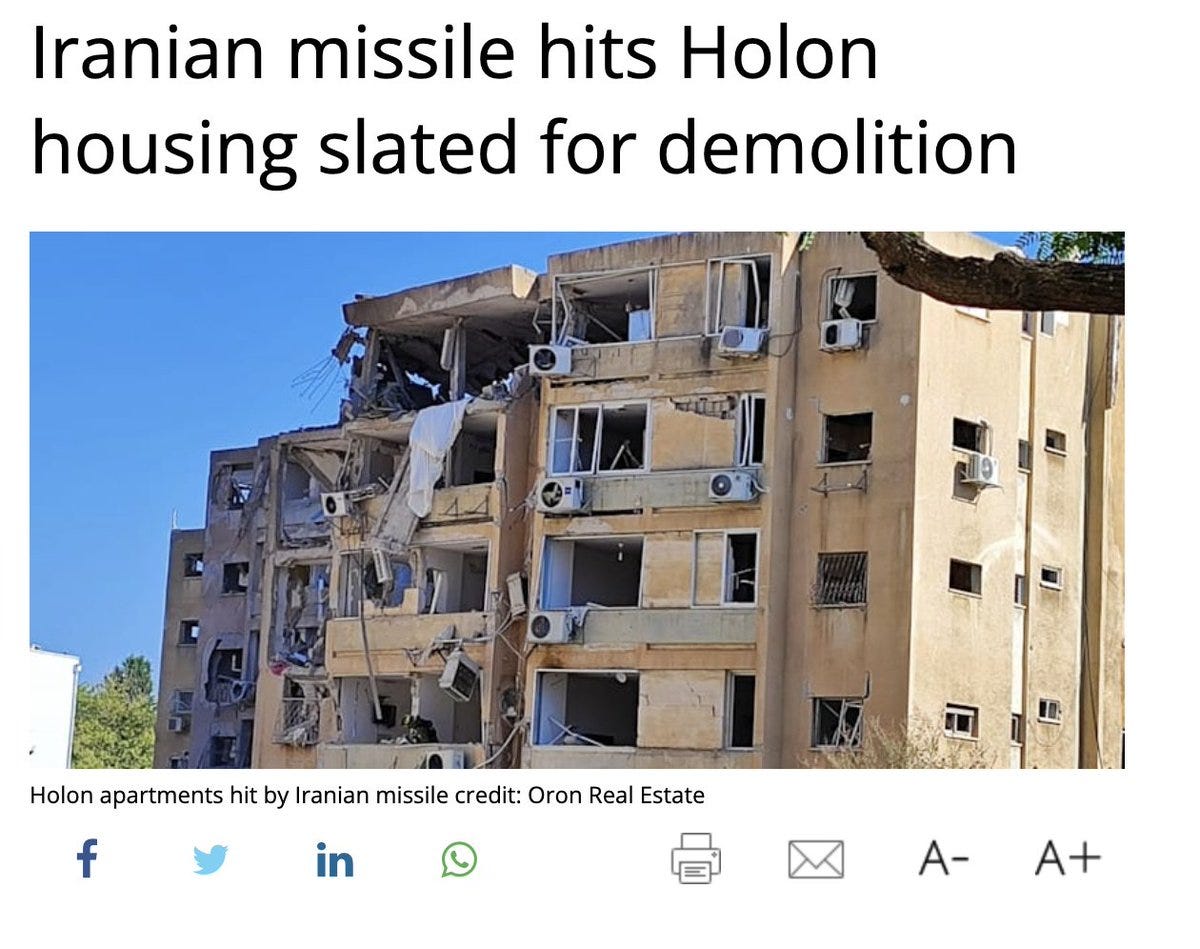
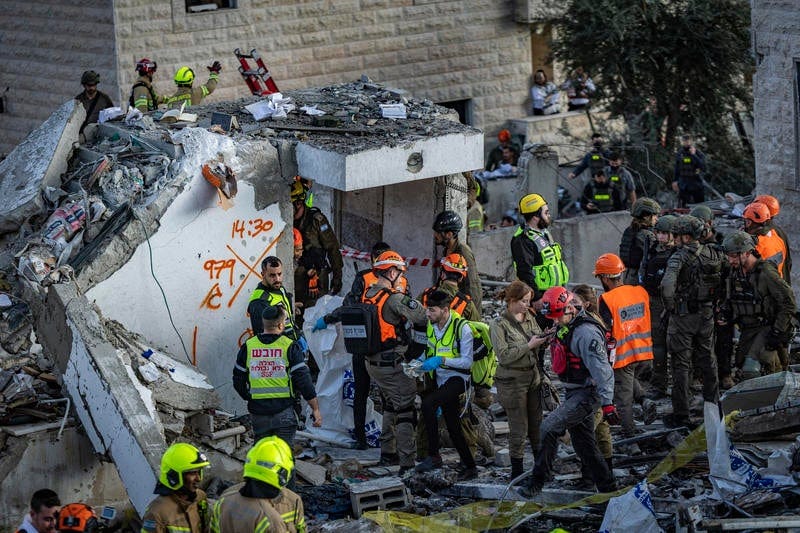
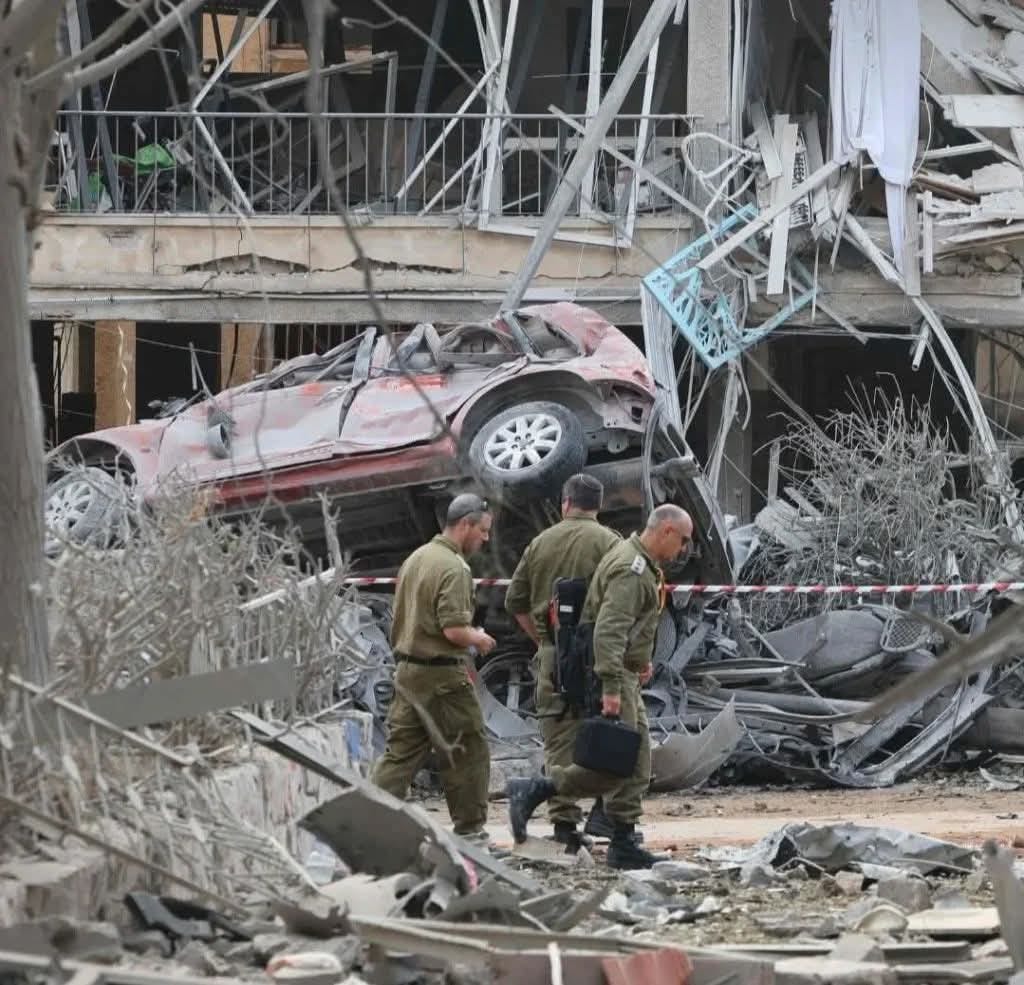
Here’s the kicker— the same pattern extends across the Gulf — and into the Eastern Mediterranean.
In Dubai, a Shahed drone struck near the Fairmont The Palm on Palm Jumeirah — a zone carrying dozens of luxury residential projects with 2025–2026 handover dates. A 3.1-kilometre redevelopment corridor from the Burj Al Arab to Kite Beach was already greenlit, adding 30% in total beach area and new developable real estate.
In Manama, Iranian strikes hit residential buildings near the U.S. Navy’s 5th Fleet headquarters — the precise zone anchoring Bahrain’s $530 million Marina Project with Phase 1 due September 2026. The old low-rise buildings that absorbed strike damage were not part of that vision. They were in its way.
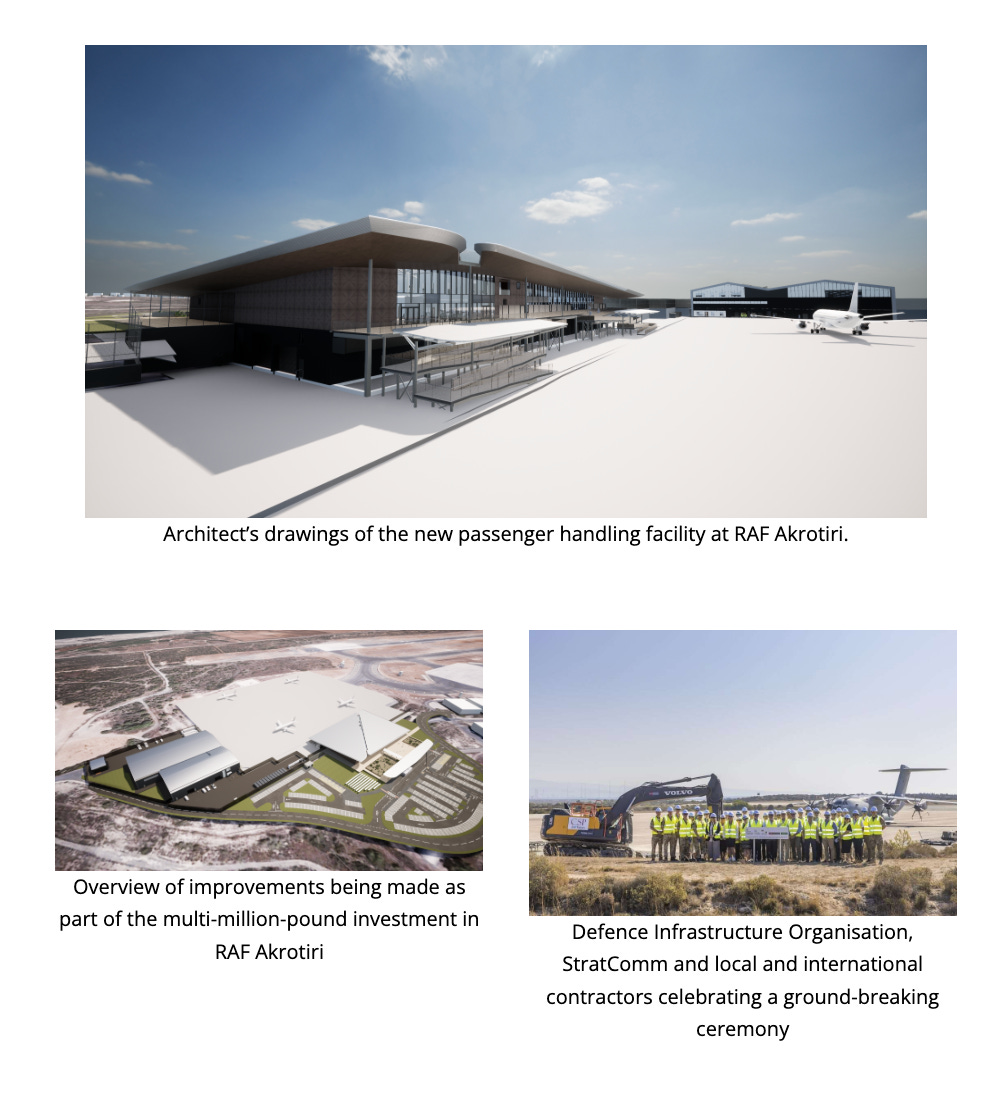
On March 1, 2026, Iranian drones struck the runway at RAF Akrotiri — Britain’s largest overseas air base and the staging point for U.S. and Israeli strike operations across the region. The strike caused minor runway damage and drew Britain formally into the conflict framework. What went unreported: the runway was already being rebuilt.
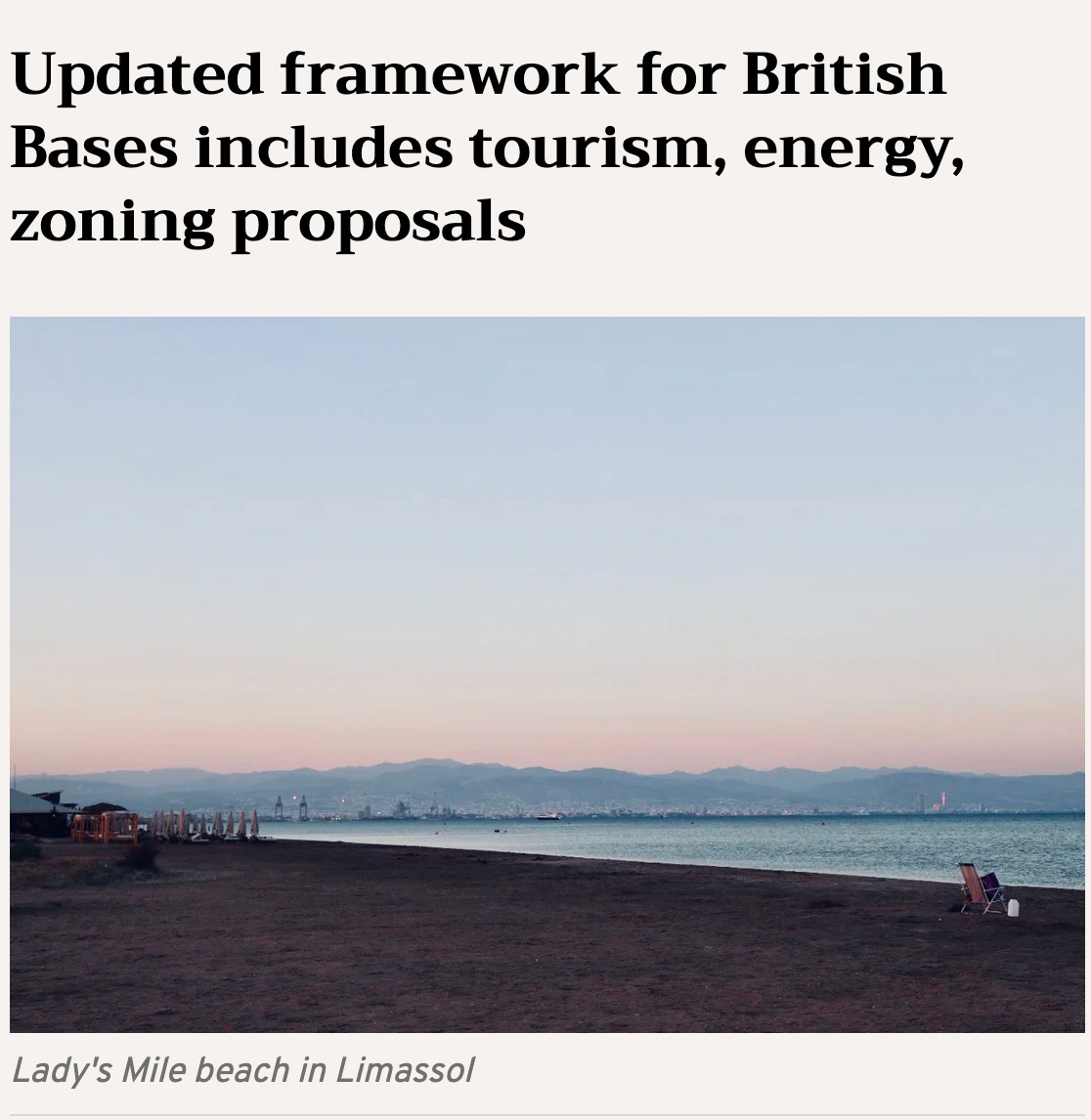
RAF Akrotiri is mid-way through a £2 billion transformation programme — new terminal, freight buildings, schools, medical facilities and over 800 service family homes — with full completion scheduled for late 2026 and the current facility slated for demolition in 2027. The drone struck a runway already scheduled to be torn up. The surrounding civilian zones are simultaneously undergoing major zoning reclassifications — residential upgrades, commercial rezoning along roads to military installations, and large-scale residential expansions in adjacent communities including a 55-hectare development in Xylofagou approved in the months before the strike.
The pattern is identical to Israel: the legal and planning framework was in place before the damage arrived.
Lebanon: Striking an Empty Stage
The north tells the same story on a slower timeline — and with less ambiguity.
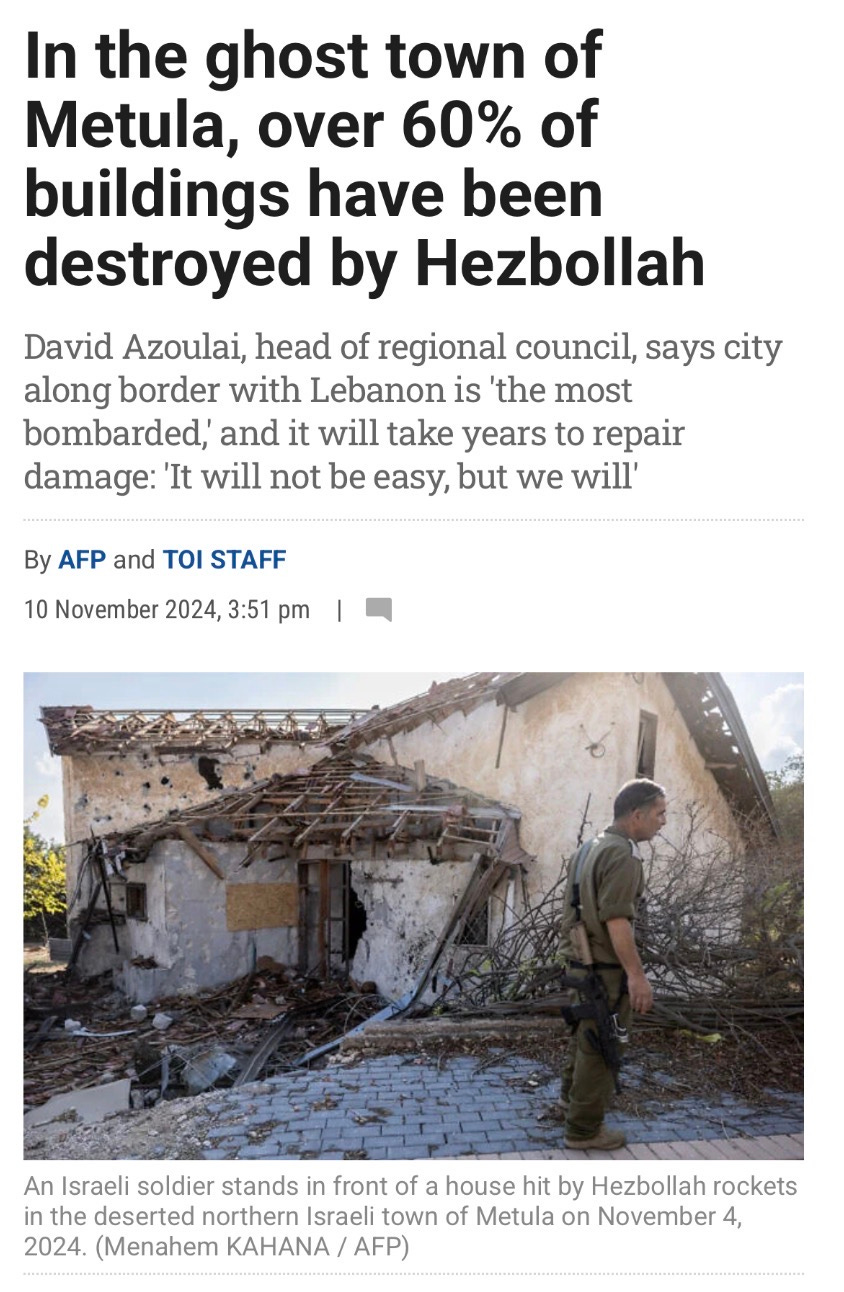
Metula, Israel’s northernmost town, has been functionally empty since October 2023. When Hezbollah allegedly began firing across the border, around 60,000 Israelis were evacuated from northern communities. Metula — home to roughly 1,500 residents, surrounded by Lebanon on three sides — was completely cleared. An NPR correspondent visiting in March 2024 described it as “extremely quiet... no people... completely empty.” By November 2024, over 60% of its buildings had been destroyed or severely damaged by Hezbollah strikes. By October 2025, after a ceasefire, the population stood at only 40% of pre-war levels — the lowest return rate of any evacuated northern town.
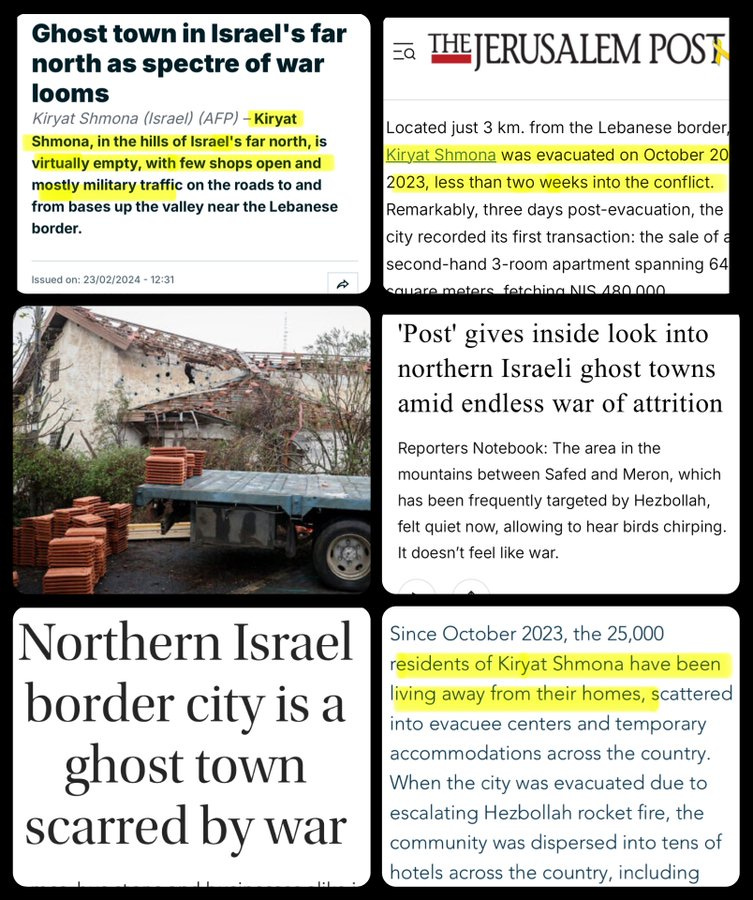
“Hezbollah” had been systematically shelling a ghost town for over a year.
The military rationale for targeting an evacuated civilian settlement is difficult to identify. The financial rationale is more legible: Israel’s Northern Rehabilitation Directorate set aside NIS 3.4 billion — approximately $934 million — in reconstruction compensation, with contracts flowing to developers under the same emergency frameworks applied in central Israel. The communities too depleted to resist redevelopment are precisely the communities absorbing the most sustained bombardment.
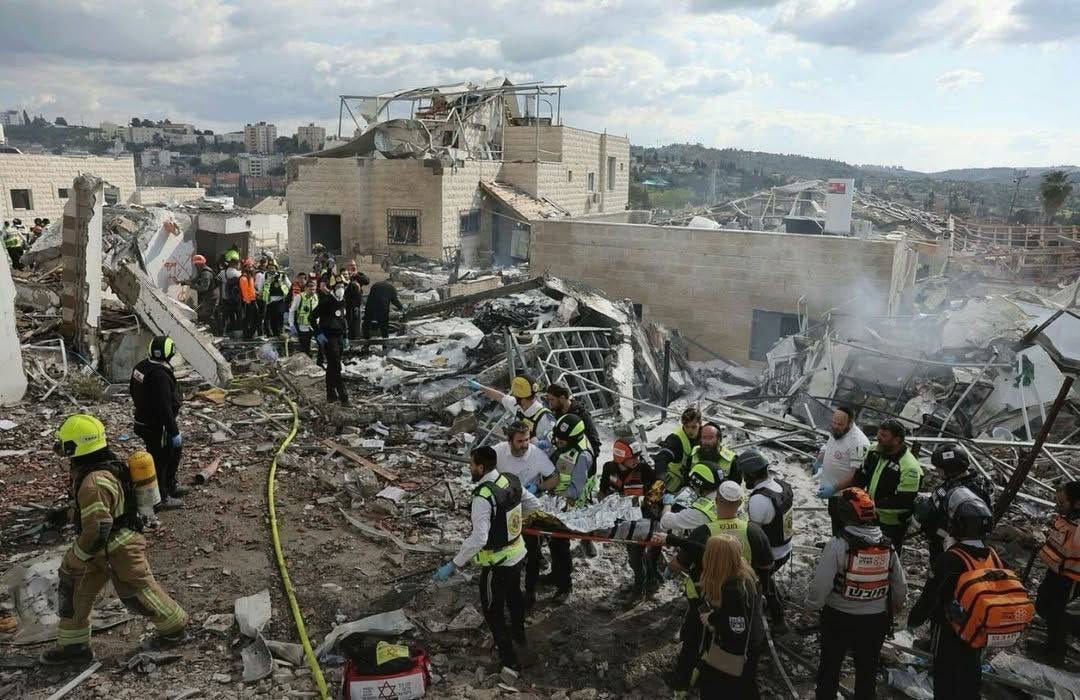
The Tyre footage circulating alongside this conflict tells its own story. The concrete oxidation, the rusted vehicles, the vegetation pushing through rubble — that weathering reflects months to years of exposure, not recent strikes. Old footage, new datelines, circulated before verification and quietly left uncorrected. It is a documented feature of how this information environment operates, and it warrants treating all undated strike imagery with considerably more skepticism than the rolling news cycle typically permits.
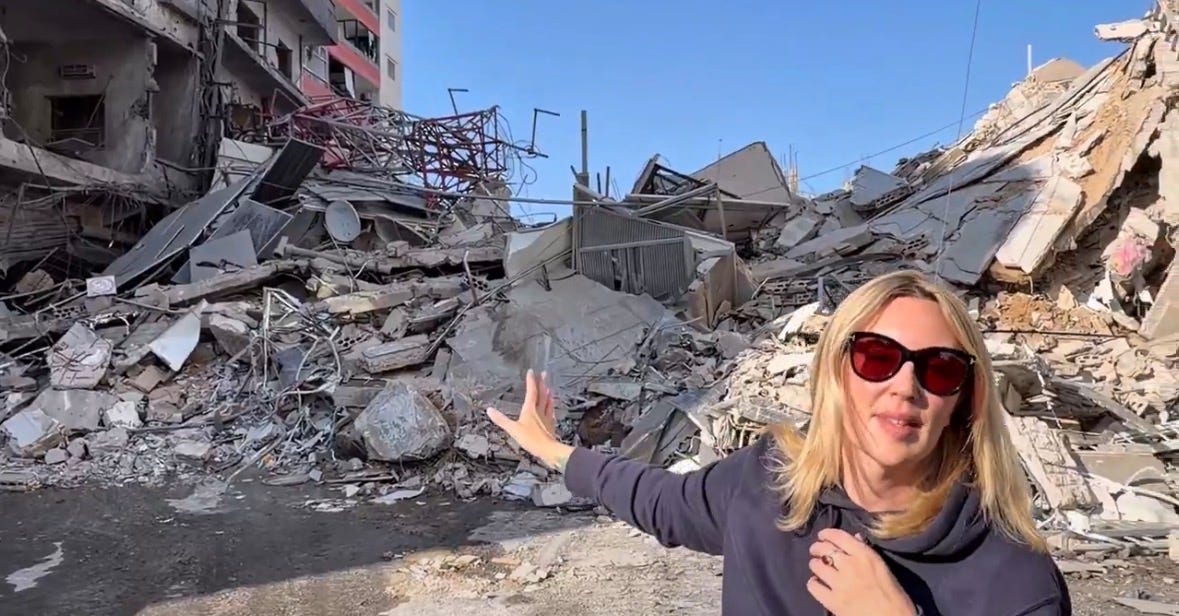
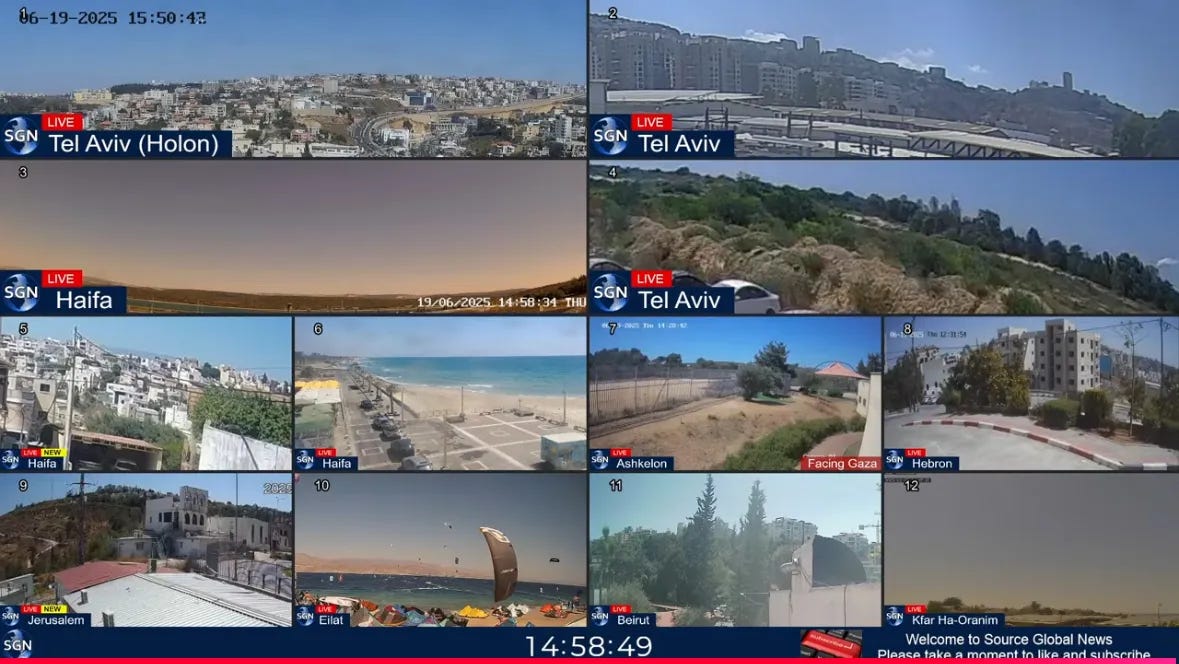
What all of these episodes seem to have in common is that the moment the missile strike claims appear, the live webcams show nothing, and the only thing reliably overhead in the flight data is the U.S. Air Force.
Enemies by Arrangement
Before the zoning maps, contracts and LNG shock — there is a more fundamental question worth sitting with: are these parties actually enemies?
Iran and Israel have not fought a direct conventional war in four decades of declared hostility. Their exchanges have been carefully bound — proxy engagements, assassinations, cyberattacks, and now managed missile barrages that somehow consistently avoid the infrastructure that would trigger genuine collapse on either side. Iran has never struck Israel’s water systems, power grid, or financial architecture. Israel has never moved to actually topple the Islamic Republic despite having every intelligence and military capability to try. The hostility is loud, sustained, and on the evidence, remarkably restrained precisely where it would matter most.
The United States, meanwhile, has maintained back-channel communications with Tehran continuously throughout decades of official enmity, including during the hostage crisis, the Iran-Contra affair, the nuclear negotiations, and the current conflict. The CIA and Mossad have both, at various points, had documented relationships with elements of the Iranian state. The Revolutionary Guard and the Israeli defence establishment have both grown wealthier, more powerful, and more institutionally entrenched with every round of escalation. Neither benefits from the other’s disappearance.
What they share — Iran, Israel, and the United States — is a mutual interest in a conflict that never fully resolves. Iran needs the Great Satan to justify domestic repression and military budgets. Israel needs the existential threat to justify settlement expansion, emergency governance, and U.S. aid dependency. Washington needs the regional instability to justify forward basing, arms sales, and the naval presence that underpins dollar dominance over global energy markets. The animosity is real at the level of rhetoric. At the level of outcomes, the three parties have been in a stable, mutually profitable arrangement for forty years.
What changed in 2025 and 2026 is not the relationship — it is the scale of the opportunity. Urban renewal programmes stalled for decades. LNG markets ripe for repricing. A Gaza coastline ready to be repositioned as a trade corridor. A Chinese economic architecture that had grown strong enough to threaten the system all three parties depend on. The conflict escalated not because the enemies became more hostile, but because the business case for escalation became too good to pass up.
Who Actually Pays: The LNG Shock
The energy dimension of this conflict is the least covered and the most consequential for the largest number of people.
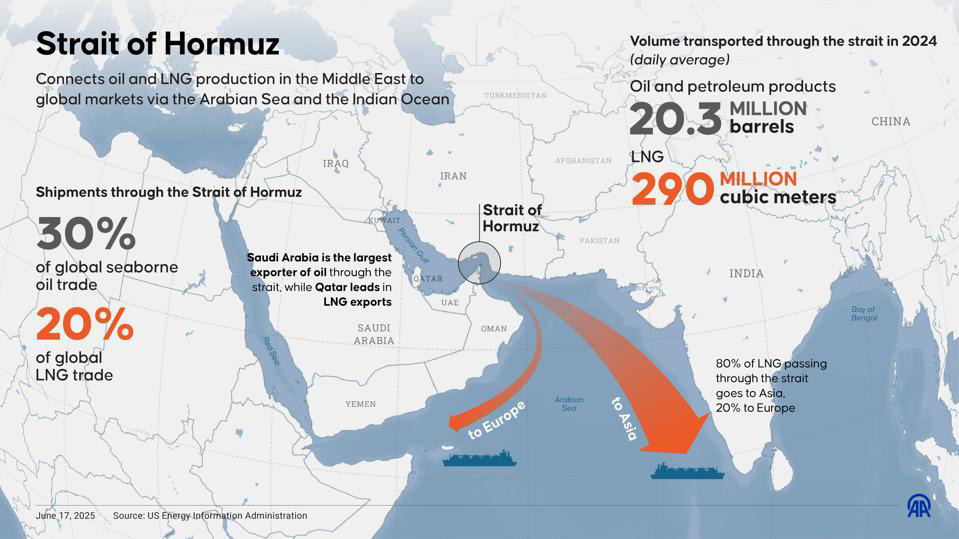
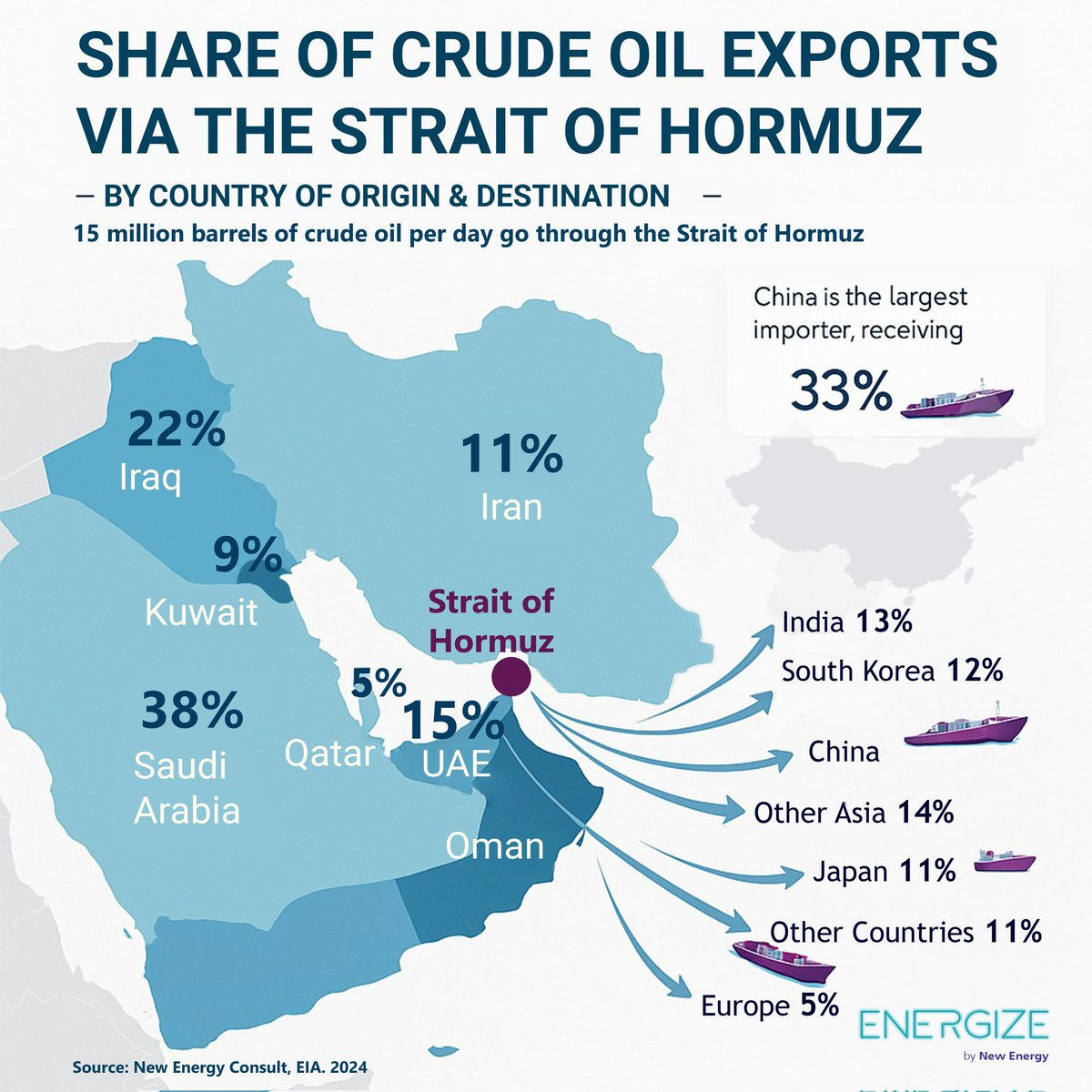
The Strait of Hormuz carries approximately 20 million barrels of oil daily and handles around 20% of global LNG trade, primarily from Qatar’s North Field. When Iranian drones struck the Ras Laffan and Mesaieed complexes, Goldman Sachs estimated the pause would remove approximately 19% of near-term global LNG supply. In a single weekend, the world lost access to both corridors simultaneously.
The countries absorbing that loss are not the United States. Pakistan and Bangladesh source 99% and 72% of their LNG, respectively, from Qatar and the UAE. When supply drops, they don’t bid competitively on the spot market — they experience immediate power-sector collapse. Factories go dark. Hospitals switch to generators. Japan holds roughly four weeks of LNG reserves. South Korea sources 68% of its crude through the strait. Dutch TTF futures rose 76% on the week. Singapore jet fuel surged 70% in a single day. Tanker charter rates hit $436,000 per day — a figure that has rarely exceeded $100,000 in recent years.
The United States, meanwhile, profits from the gap without needing to fill it. U.S. LNG infrastructure is operating near capacity, but the price spike benefits American producers regardless. A Hormuz disruption raises WTI, makes U.S. shale more profitable, and drives long-term demand for American LNG at elevated contract prices. American energy dominance — the explicit agenda of the Trump administration — doesn’t require the U.S. to plug the gap. It only requires the gap to exist.
This is not collateral damage as much as it is the architecture of the shock.
Russia, China, and the Real Endgame
Here is the question almost entirely absent from Western coverage: why does this conflict benefit Russia — and what does that tell us about who designed it?
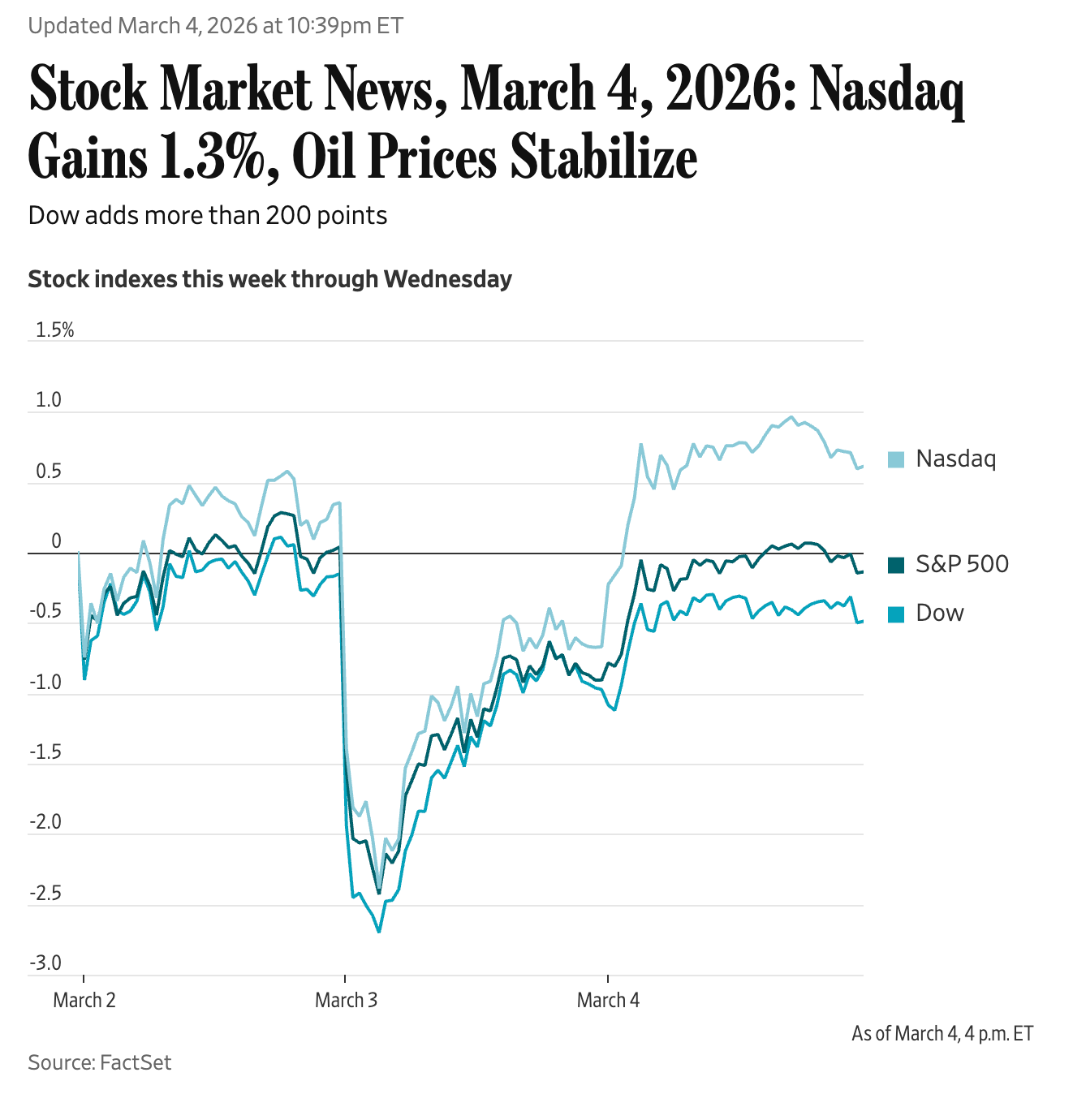
Russia’s Urals crude had collapsed to $40 per barrel by December, crushed by Western sanctions. When Brent jumped 13% to $82 following the Iran strikes, Urals climbed to $57. Russia’s oil and gas revenues account for up to 30% of the federal budget. With Qatar’s LNG offline, global competition for available cargoes increased sharply — including cargoes from Russia, the world’s fourth-largest LNG supplier. The always charming, MIC think tank, Atlantic Council warned explicitly on March 5 that Russia stood to profit enormously, urging Western partners to hold the sanctions line precisely to prevent Moscow from filling the Qatari vacuum. That warning confirms the dynamic: the Iran conflict handed Russia a financial lifeline at the exact moment Western pressure had pushed its energy revenues to a four-year low.
The conflict distracts from Ukraine, strains NATO attention and resources, and creates political pressure across Europe to ease Russian energy sanctions. These outcomes benefit Moscow so directly that, if you were reverse-engineering who wrote the script, Russia’s fingerprints would be on every page.
But the deeper strategic logic runs through Beijing. Iran is not simply a regional player — it is a critical node in China’s energy architecture. Approximately 90% of Iran’s oil exports flow to China — roughly 1.38 million barrels per day at deep discounts to non-sanctioned crude, feeding Chinese independent refiners and bolstering Beijing’s strategic reserves. China also sources over 80% of its seaborne crude imports through Hormuz. Disrupting that corridor doesn’t just pressure Iran — it squeezes the energy lifeline sustaining China’s industrial economy.
This has always been the deeper objective. Iran’s integration into the Belt and Road Initiative, its 25-year cooperation agreement with Beijing, and its role as a discounted energy supplier have made it indispensable to China’s attempt to build an economic architecture independent of U.S. financial infrastructure. Weakening Iran weakens that architecture. Closing Hormuz — even temporarily, even partially — forces China to pay more, slows its growth, and demonstrates to every Belt and Road partner that proximity to Beijing cannot protect them from U.S. reach.
U.S. attention in the Gulf is simultaneously not directed toward Taiwan. Chinese military planners have noted this. Beijing’s Foreign Minister urging Tehran toward “restraint” is not altruism — it is the recognition that Iran holds leverage over a strait that cuts China at least as deeply as it cuts the West, and that a prolonged conflict serves Washington’s strategic interests in ways that extend well beyond the Middle East.
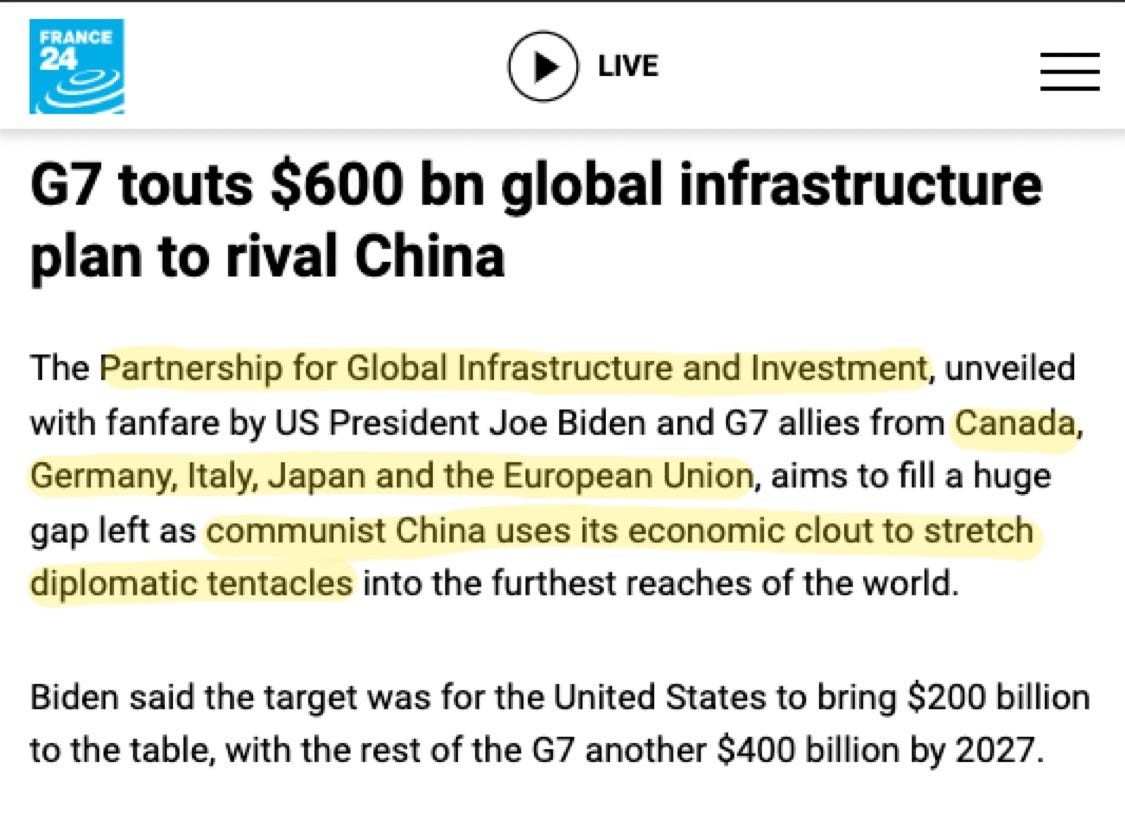
The endgame is a regional trade architecture designed to rival China’s Belt and Road — a U.S.-aligned corridor running from the Gulf through Israel and Gaza to European markets, bypassing the infrastructure Beijing has spent two decades building. Gaza is not being rebuilt for Palestinians. It is being rebuilt as a logistics hub in a trade war that most people don’t yet know is being fought.
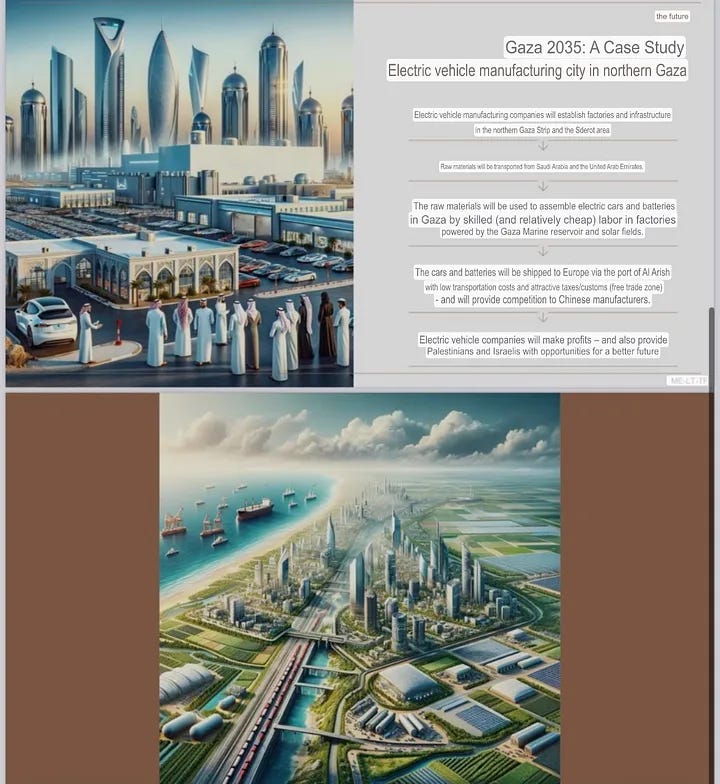
The standard framework treats this as geopolitical confrontation with disruption as an unfortunate side effect. That framework describes the visible surface accurately enough. What it doesn’t explain are the planning documents. The pre-drafted compensation tables and weapons contracts. The defence ETF up 35%. Russian oil revenues surging on cue. A reconnaissance aircraft circling while the bombs fell in pre-tagged demolition zones. The $50 billion supplemental filed before the smoke cleared. The LNG shock absorbed entirely by countries too small and too poor to matter to Washington. And it doesn’t explain why, when you overlay the strike maps against the urban renewal filings, the bombs fell with such regularity on the buildings that were already scheduled to come down.
And then there is Iran itself — which is where the standard framework quietly breaks down.
Iran is not naive about American grand strategy. Its leadership has spent four decades studying exactly how Washington uses regional crises to its advantage. The IRGC watches commodity markets. It understands the Hormuz calculus. It knows, with reasonable precision, who benefits when Gulf energy infrastructure burns. So the question the standard framework never seriously asks is the one that should be asked first: why would Iran do this? Why would a government of that strategic sophistication execute strikes whose primary measurable beneficiaries were sitting in Washington and Houston and the defence corridors of Northern Virginia?
Miscalculation is possible. So is factional pressure overriding strategic judgment. But there is a third possibility — that Iran was not the author of this crisis so much as its most useful instrument. That the conditions which made the strikes inevitable were engineered by parties who understood exactly what Tehran would do, and needed it done.
Every war leaves real people buried under its consequences. The harder task — and the one the standard framework is carefully built to avoid — is tracing the interests that structured it, financed it, and stood ready to profit from it. More often than not, when you follow that trail far enough, it leads back to the same global hegemon. The same sad, dying empire clawing at a position of dominance it can feel slipping through its fingers — and willing, it seems, to burn quite a lot of the world to slow that slide.
https://buymeacoffee.com/truthbombea
https://youtu.be/xZ7PtphlJE0
"Deals in the Desert" a series 2016 about real estate deals in Bahrain, those words summarize Operation Epic Fury in some ways just regarding it's true, "All Wars Are Banker's Wars" (also a book title).
Everything about this is so unsettling, I suppose maybe some earnings are buried in investment funds. Oh wait, Blackrock has had to restrict panic withdrawels to transfer to your savings accounts as a just in case. (example...)
Love your work, what a wakeup to reality for us. We're smarter now...🙏🏻💖